CSLB Lic. #525026 · Painting Homes Since 1988 · Free Written Estimates Sunday to Friday 7:00 am to 6:00 pm (805) 946-0117
Rated 5.0 out of 5 on Google · 64 reviews
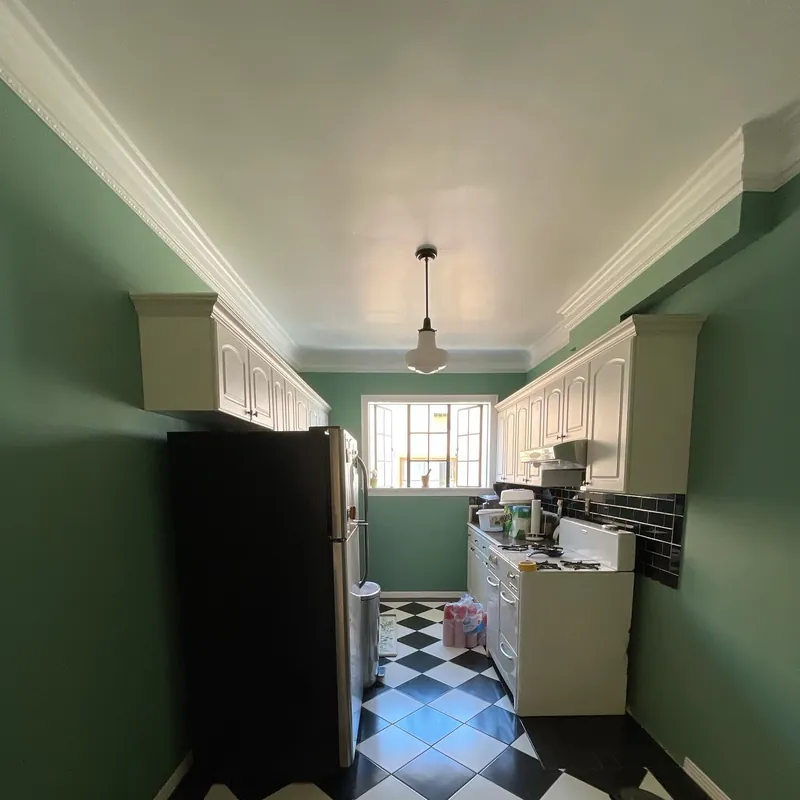
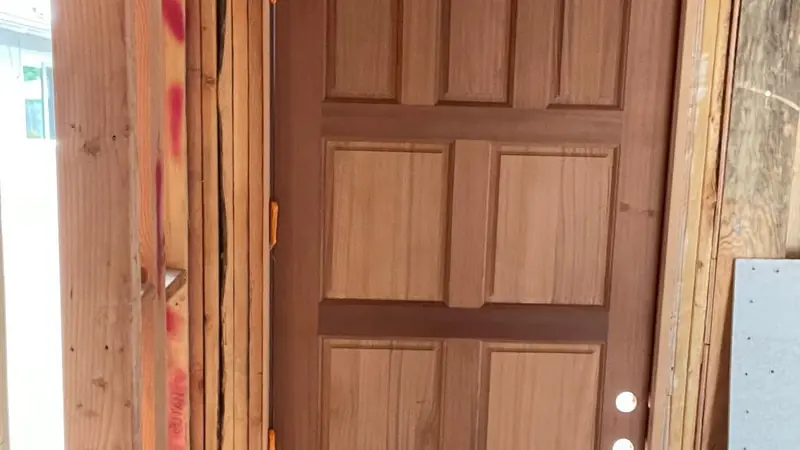
Eight-panel wood entry door with a fresh semi-transparent stain finish, installed in a newly framed opening. Deck & Fence Staining by Best Top Painting, Simi Valley, CA

Wood Decks & Fences

Deck and Fence Staining in Simi Valley

Gray, splintered or blotchy wood cleaned up and stained with a finish suited to how much sun and foot traffic it gets.

  • Cleaned and brightened before any stain
  • Stain type matched to sun and foot traffic
  • Licensed, bonded and insured

Deck & Fence Staining

Call for Your Free Painting Estimate

We visit your home, inspect every surface and write up an itemized estimate.

(805) 946-0117
  • Free on-site visit and written estimate
  • Every surface, prep step and coat itemized
  • Final payment after your walkthrough

Open Sunday to Friday, 7:00 am to 6:00 pm. Closed Saturday.

  • 1988Painting homes since
  • 5.0Google rating, 64 reviews
  • #525026CSLB license, bonded & insured
  • WrittenItemized estimates
  • HomesResidential only

Deck and fence staining in Simi Valley is mostly a contest with the sun. Sunlight breaks down the surface of bare wood and turns it gray, and long, hot, dry summers pull moisture out of boards until they check and split. A good stain slows both.

We clean the wood, brighten it, let it dry and apply a stain matched to the surface: penetrating stains for deck boards that take foot traffic, and the right amount of color for fences and railings. The USDA Forest Products Laboratory notes that most decks are retired because of cracks and checks that timely finishing could have prevented.

Staining fits naturally into an exterior project. Many homeowners schedule it alongside exterior house painting.

What Our Deck and Fence Staining Covers

Every staining job starts with an inspection of boards, posts, rails and fasteners, and loose or rotted pieces are flagged before we stain. Plants, siding, pavers and pool edges are covered before any cleaner comes out.

Cleaning and Brightening Weathered Wood

We clean with a wood cleaner and a low-pressure rinse to remove dirt, mildew and graying, then apply a brightener to even out the wood tone. Clean, bright wood takes stain evenly, so the color comes out consistent across weathered and newer boards instead of blotchy. Nothing gets stained until the wood has dried.

Deck Boards and Fence Pickets

Stain goes on board by board to avoid lap marks, and excess is wiped off before it can turn glossy. Deck boards get a penetrating stain that stands up to foot traffic, while fence pickets can carry more pigment because nobody walks on them. Drips and splatter are cleaned up the same day.

Railings and Stair Treads

Railings and stair treads get the most hand and foot contact, so raised grain and splinters there are lightly sanded before staining. Balusters and lattice are brushed one piece at a time, which takes longer than flat boards but leaves no thin spots. Treads wear fastest on most decks, so we tell you if they will need a recoat before the rest of the surface.

Signs Your Deck or Fence Is Due for Stain

  • Water soaks in instead of beading on the surface
  • Wood has turned gray or silver, especially on the sunny side
  • Color is blotchy, with worn paths across the deck
  • Boards feel rough or splintery, or show new surface checks
  • Black mildew spots in shaded corners
  • An old solid stain or paint is flaking off

The sunny side of a fence usually wears out much sooner than the shaded side. We look at each face separately and tell you if only part of the job needs doing now.
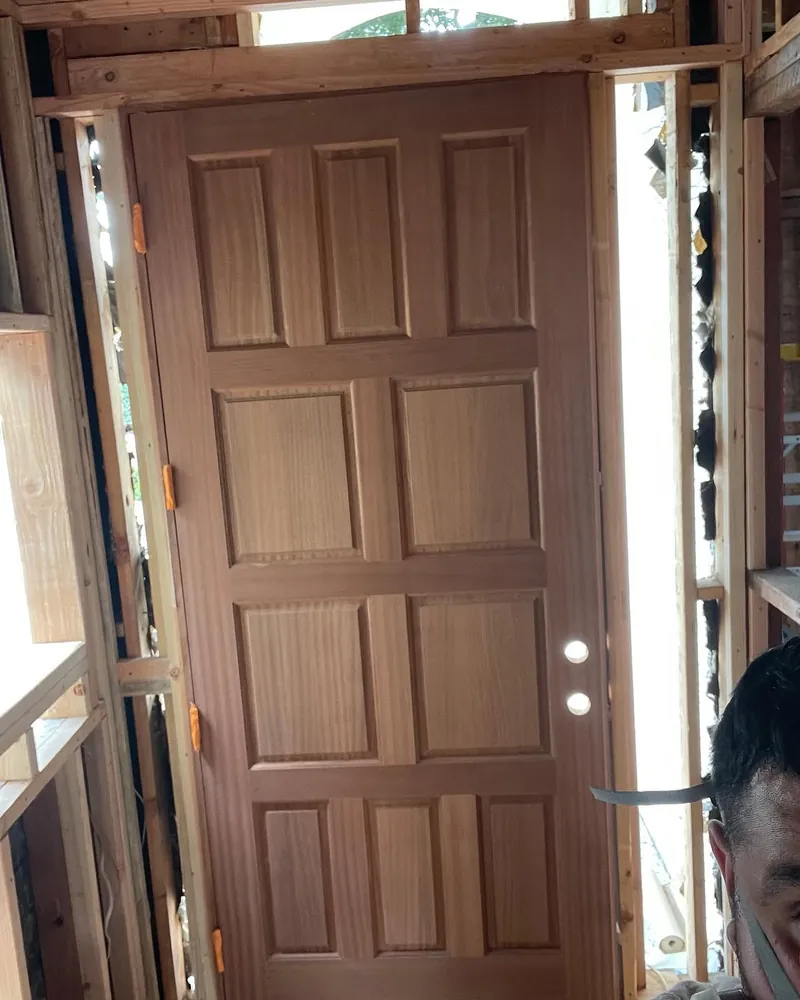
Refinished wood front door with an even stain and clear coat, glass sidelites taped off for finishing. Deck & Fence Staining by Best Top Painting, Simi Valley, CA
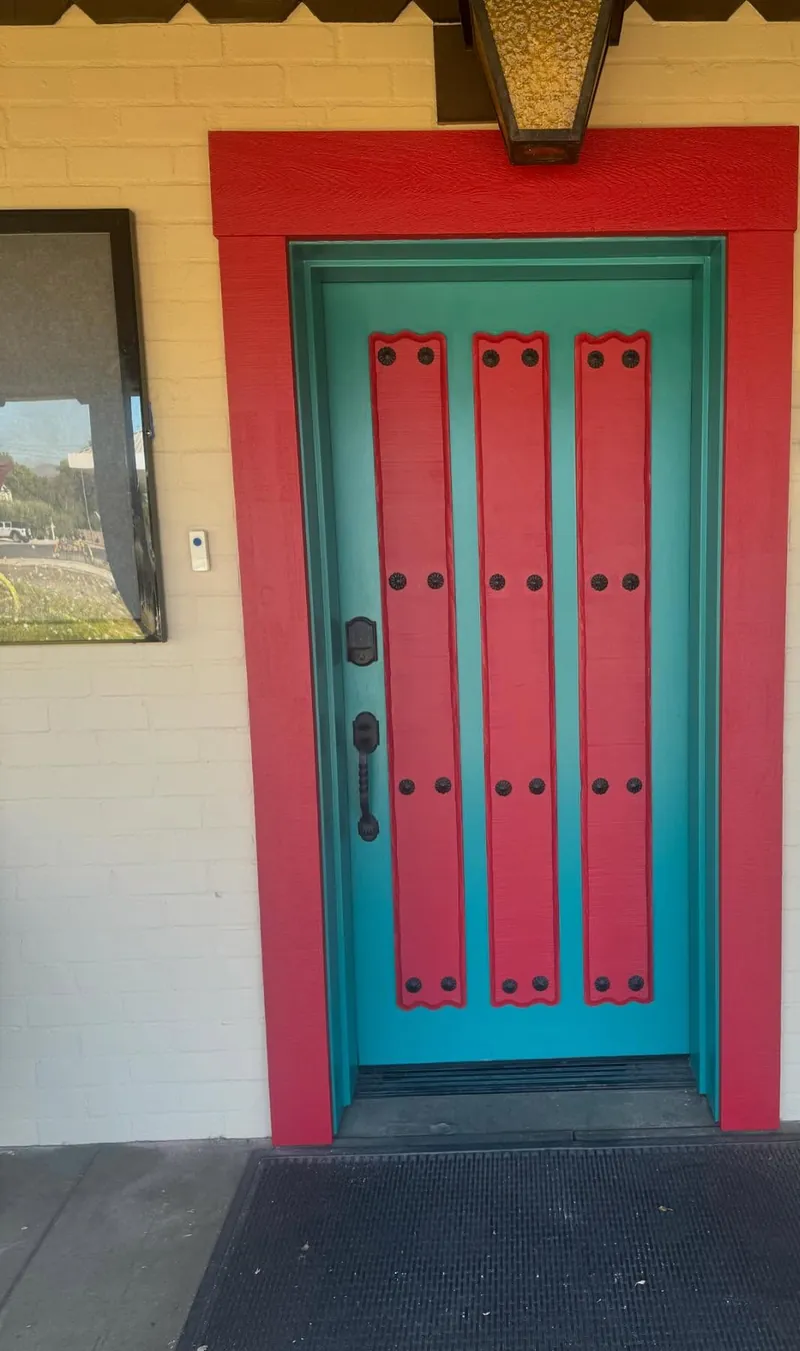
Hand-painted turquoise door with red battens, black hardware and a red-painted frame against white painted brick. Deck & Fence Staining by Best Top Painting, Simi Valley, CA

How We Clean, Prep and Stain Wood

  1. Identify the wood and old finish. A penetrating stain cannot soak into wood that is still sealed by an old film finish, so we check what is there first.
  2. Clean gently. A wood cleaner and low pressure lift dirt and mildew without stripping the soft surface fibers.
  3. Brighten. A brightener restores the natural tone and helps stain absorb evenly.
  4. Let it dry. The same USDA guidance calls for at least two warm, windy days of drying after cleaning a deck.
  5. Stain. We work a few boards at a time, end to end, and wipe off stain that does not soak in so it cannot turn glossy or sticky.
  6. Walk through. We check every section with you before the final payment.

Transparent, Semi-Transparent and Solid Stains Compared

Stain typeLookHow it behavesWhere it fits
TransparentNatural wood, little colorPenetrates; little pigment, so little sun protectionNew cedar or redwood, with frequent recoats
Semi-transparentTinted, grain still visiblePenetrates without a surface film, so it does not peelDeck boards, fences and weathered wood
SolidOpaque color, grain hiddenForms a film like thin paintRailings, and fences already coated with solid stain

The USDA Forest Products Laboratory recommends penetrating finishes for deck surfaces, because film finishes such as paint and solid stain wear in traffic areas and can trap moisture and peel. It also found that clear water-repellent finishes last only about a year on exposed deck boards, while added pigment shields the wood from sunlight and lasts much longer.

What Affects Deck and Fence Staining Cost

  • Size. Deck square footage, fence length and height, and whether both sides are stained.
  • Condition. Heavy graying, mildew and flaking old finish add cleaning and stripping time.
  • Switching stain types. Going from solid back to semi-transparent means removing the old film first.
  • Wood texture. USDA data shows a gallon of semi-transparent stain covers 400 to 500 square feet of smooth wood but only 150 to 200 on rough-sawn or weathered boards.
  • Detail work. Railings, stairs and lattice take more hand work than flat boards.
  • Access. Tight side yards and plants against the fence slow the work.

Deck and Fence Staining in Simi Valley: Local Factors

Wood fences are common across Ventura County, and here the south- and west-facing sides take the hardest beating from summer heat and sun. Sprinklers that hit fence boards leave mineral rings and keep the bottom of the fence damp, which is where mildew and rot start.

We plan deck and fence staining in Simi Valley for the cooler part of the day so stain soaks in before it flashes dry, and in winter we watch the temperature, since USDA guidance says latex coatings need at least 50 degrees Fahrenheit for several hours after application.
Best Top Painting

Why Simi Valley Homeowners Hire Us for Staining

1 yrlife of clear sealer on deck boards (USDA)

We steer you toward finishes that last

The USDA Forest Products Laboratory found that clear water-repellent finishes last about one year on exposed deck surfaces, while pigmented stains protect the wood from sunlight much longer. Some homeowners still want the natural look, and that is your call. We lay out the trade-off in writing, then recommend the stain level that fits how much sun and foot traffic each surface gets, so you are not recoating every spring.

100g/L VOC cap on exterior stains

Products that meet local air rules

Ventura County APCD Rule 74.2 lowered the VOC limit for exterior stains from 250 to 100 grams per liter in July 2021, and South Coast AQMD Rule 1113 also caps stains at 100 g/L. We use stains that comply where your home is and that work with the finish already on your wood. That avoids the peeling and blotching that happen when a new stain cannot bond to the coat underneath.

5.0Google rating from 64 reviews

Clean work around plants and patios

Staining gets messy when it is rushed. Our 64 Google reviews average 5.0, and reviewers keep mentioning polite painters, thorough prep and clean job sites. On decks and fences that means covering plants, pavers, pool edges and siding before we start, picking up drips the same day and leaving the yard ready to use. Final payment happens only after you walk the finished work with us.

Reviews

What Homeowners Say About Best Top Painting

5.0

5.0 out of 5 from 64 Google reviews. Read them on Google

5-star Google review of Best Top Painting: from the first color consultation to the final coat, living room and bedroom walls came out smooth and vibrant
5-star Google review of Best Top Painting: thorough prep on the exterior siding before painting, a fast crew and a durable finish
5-star Google review of Best Top Painting: a dingy beige living room transformed with help choosing the color, meticulous work and a spotless cleanup

Deck & Fence Staining

Deck & Fence Staining FAQ

How often should a deck or fence be restained here?

It depends on the stain and the exposure. USDA research found clear water repellents last about a year on deck surfaces, while pigmented semi-transparent stains last considerably longer, especially on rough-sawn wood. Deck boards in full sun wear fastest, and shaded fence faces last longest. A simple test: when water stops beading and soaks right in, it is time.

Can you stain a new pressure-treated deck right away?

Not always. Many treated boards come with a factory water repellent, and the USDA Forest Products Laboratory recommends letting that wood weather for 2 to 3 months so a stain can absorb properly. Freshly treated lumber can also still be wet. We test how the wood takes water before staining and schedule the work when the boards are ready.

Can I go from a solid stain back to a natural wood look?

Yes, but it takes work. Solid stain forms a film, and a semi-transparent stain cannot soak into wood still covered by that film. The old coating has to be stripped and the wood cleaned and brightened first, which adds time and cost. On fences with heavy buildup, staying with a solid color is often the more practical choice.

Will you stain my neighbor's side of the fence?

Only with your neighbor's permission and access to their yard. Under California Civil Code section 841, adjoining owners are presumed to share responsibility for a dividing fence, and an owner who wants to share costs must give 30 days' written notice first. Many homeowners simply ask the neighbor, and some split the cost of staining both faces.

Do you power wash decks before staining?

We use a wood cleaner and low pressure rather than blasting the boards. High pressure can tear up surface fibers and leave a fuzzy, splintery deck that takes stain unevenly, and USDA guidance warns about this on softer woods like cedar. The cleaner and brightener do the heavy lifting, and a gentle rinse carries the dirt away.

Best Top Painting

Bring Your Deck and Fence Back Before Summer

Tell us what you have and we will look at the wood, recommend a stain level and send a written, itemized estimate. Request your free estimate.