House painting in La Cañada Flintridge is mostly repaint work on established homes, since the median house was built in 1957. The 1950s alone account for about 35 percent of the stock, and the 2020 census counted only 29 more housing units than 2010.
Best Top Painting has painted homes since 1988, and we make the drive from Simi Valley to see the house before writing a number. Your estimate is written and itemized, and the final payment comes after we walk the finished work together.
Hot Summers, Steep Lots and a City Mapped Very High
The city climbs from about 970 feet near Devil's Gate Dam to about 2,400 feet in its highest neighborhood, between the San Gabriel Mountains and the San Rafael Hills. Published climate figures for the area show August mean highs near 91°F, record highs of 110°F and roughly 21 inches of rain a year, mostly from December to March. Santa Ana winds push hot desert air over the mountains, and in January 2025 gusts up to 100 mph were reported on the Mount Lukens Truck Trail north of town.
The city's Building and Safety page says the entire city lies in the Very High Fire Hazard Severity Zone, a status the city ties to its topography and abundant live oaks. Dry fall winds also drop dust and leaves on wet paint, so we watch the forecast and hold exterior coats when strong gusts are due.
The Station Fire and the 2010 Debris Flows
The Station Fire ignited on August 26, 2009 near the Angeles Crest Highway, which begins in the city, and burned more than 160,000 acres, the largest wildfire in modern Los Angeles County history by area. La Cañada Flintridge was listed among the threatened communities.
On February 6, 2010, rain on the burned slopes sent mud, boulders and debris into the city's northernmost neighborhood, and Paradise Valley at the top of Ocean View Boulevard was hit hardest. Reports at the time varied, from at least 40 homes severely damaged to nine homes red-tagged in the city, and the Mullally Debris Basin overflowed. Near the northern arroyos, we check wood at grade closely.
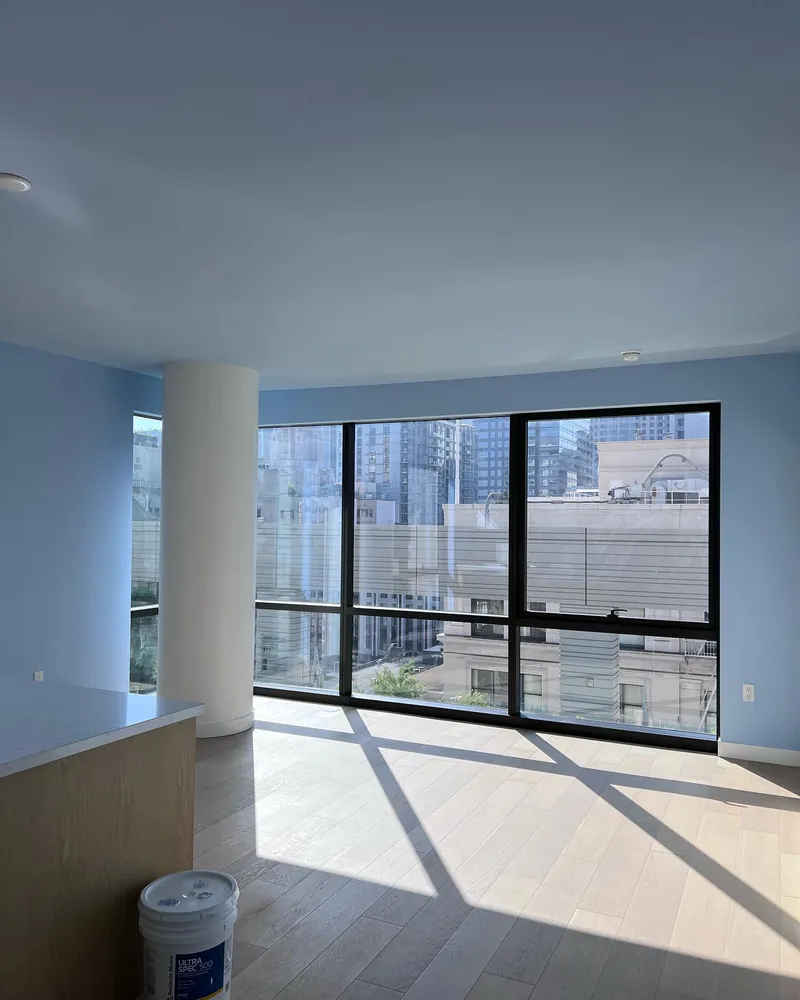
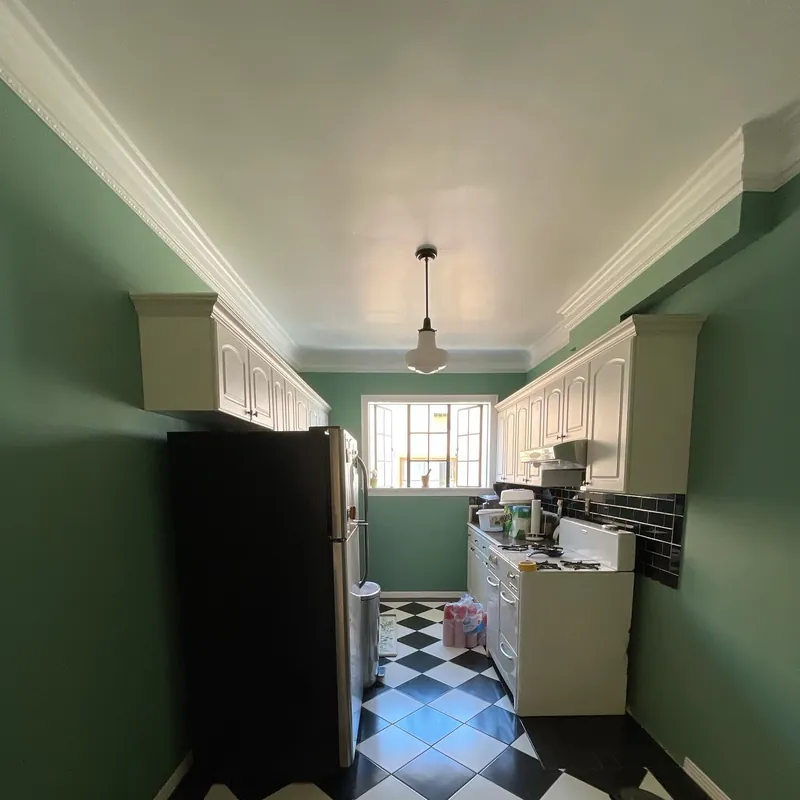 After
Flintridge, Paradise Valley and the Arroyo Edge
Flintridge covers the southern part of the city on the north flank of the San Rafael Hills, plus areas south of Foothill Boulevard, and takes in the Flintridge Riding Club area. Hillside lots there often call for long ladders and careful staging.
To the north, streets such as Manistee Drive and Escalante Drive sit closer to the mountains, while the east end reaches toward JPL and Devil's Gate Dam on the Arroyo Seco. Citywide, houses from the 1940s through the 1960s make up most of the stock.
House Painting in La Cañada Flintridge by Style and Slope
The city's 2006 Residential Design Guidelines name the styles commonly seen here. These four services follow them.
Exteriors for 1950s Ranch Homes
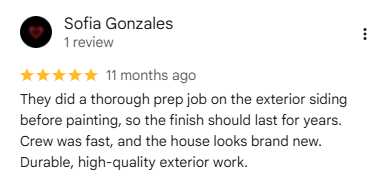
The 1950s are the single biggest decade in the city's housing, and Ranch homes from that era have long eaves, fascia runs and broad wall planes that take hard summer sun. Our exterior house painting starts with washing, scraping and sanding, caulks open joints and primes bare wood before the finish coats. On hot days we follow the shade around the house, so paint never goes onto sun-baked walls.
Spanish Revival Stucco
Spanish Colonial Revival and Mediterranean homes top the guidelines' list of common styles, and their stucco walls show cracks and patch marks plainly. Our stucco painting cleans the walls, repairs hairline cracks with flexible patching matched to the existing texture and finishes with a coating made for stucco. Clay tile and wood windows are masked before any spraying or rolling begins.
Style-Matched Colors and Color Consultation
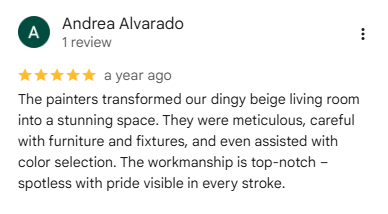
The guidelines steer colors, materials and textures toward each home's style and its neighborhood. Our color consultation, offered case by case, starts with the style of your house, whether Monterey, Colonial Revival, Tudor or Ranch, then tests samples on the walls in bright foothill light. Final choices go into the written scope, and we can prepare a color list if a larger project also goes to design review.
Fence and Deck Staining in Foothill Sun
Summers near 91°F, with records of 110°F, dry out wood fences, gates and decks quickly. Our deck and fence staining begins with cleaning and brightening the wood, lets it dry fully, then applies transparent, semi-transparent or solid stain based on the wood's condition and the look you want. The city's permit rule for fences and walls over 42 inches covers building them; we only clean and stain existing wood.
Hillside Permits, Design Review and the Wildfire Code
Building and Safety moved plan check and inspections from LA County to a third-party firm in October 2024, with applications and plan check on the city's ConnectLCF portal. Any project that needs a building permit on a hillside lot, meaning a residential lot with an average slope of 15 percent or more, also needs a Hillside Development Permit.
Construction is allowed from 7 a.m. to 6 p.m. on weekdays, 7 p.m. during Daylight Saving Time, and 9 a.m. to 5 p.m. on Saturdays, never on Sundays or holidays. The city has adopted the 2025 California Wildland-Urban Interface Code, the Title 24, Part 7 rules that replaced CBC Chapter 7A on January 1, 2026, and county notes on that code say paints and stains are not an approved protection method.