House painting in San Marino means working on unusually old housing: the median home here dates to 1943, earlier than in Altadena, South Pasadena or Pasadena. Nearly every property is a detached single-family house, from modest cottages to large estates, and many lots average more than 30,000 square feet.
Best Top Painting has been painting homes since 1988 and drives in from Simi Valley for San Marino projects. Large houses need a clear plan, so our estimates break the work down by elevation, surface and coat, and the final payment comes after your walkthrough.
Mature Canopy, Mountain Wave Winds and Prewar Houses
San Marino slopes gently south from the San Gabriel Mountains at about 564 feet. No climate table is published for the city, but neighboring Pasadena averages August highs near 91°F and about 20 inches of rain a year, and San Marino should be close. Streets are lined with mature oaks, sycamores, deodar cedars, sweet gums, magnolias and fan palms, so some walls sit in shade most of the day while others take full sun.
The city's hazard plan rates windstorm a High priority hazard, citing Santa Ana winds and foothill mountain wave gusts that can reach hurricane force, mostly from mid-October to mid-April. The 2011 windstorm caused an estimated $5.6 million in damage here. Before painting, we check fascia, trim and siding for anything loosened by limbs or wind.
San Marino has no mapped Very High fire hazard zone, though it designates part of the northwest as a local Fire Enhancement Zone for brush fire risk. The Raymond Fault runs through or near the city, and its hazard plan lists the 1991 Sierra Madre earthquake among nearby events.
Oak Knoll, the Early Tracts and Huntington Drive
The Oak Knoll hills in the northwest hold the city's most prominent slopes, largest lots and curving streets, with native oak woodland in the canyons. Tracts there were subdivided between 1906 and 1912, and big houses on sloped lots mean tall ladders, extra staging and longer prep.
Early tracts such as San Marino Park, Los Robles and Lake Vineyard date to around 1907, and Huntington Drive and Sierra Madre Boulevard follow former Pacific Electric routes with landscaped medians. The city's Historic Context Statement describes Period Revival homes as the dominant character, alongside a substantial stock of Ranch and Minimal Traditional houses and some custom Mid-Century Modern designs.
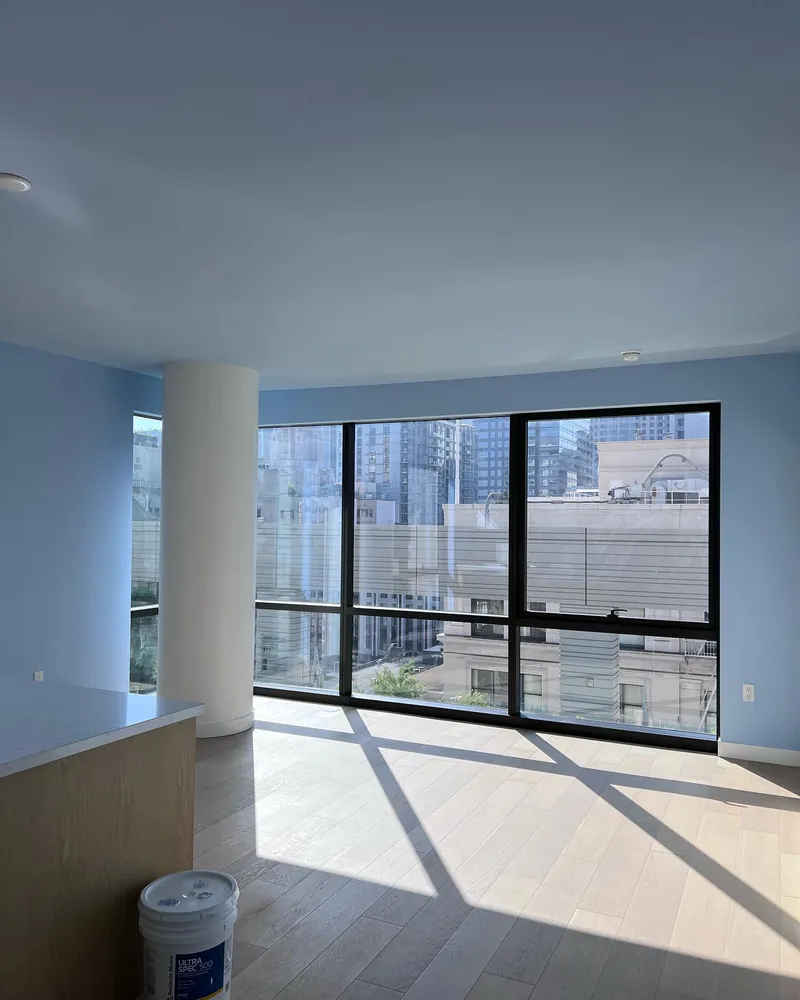
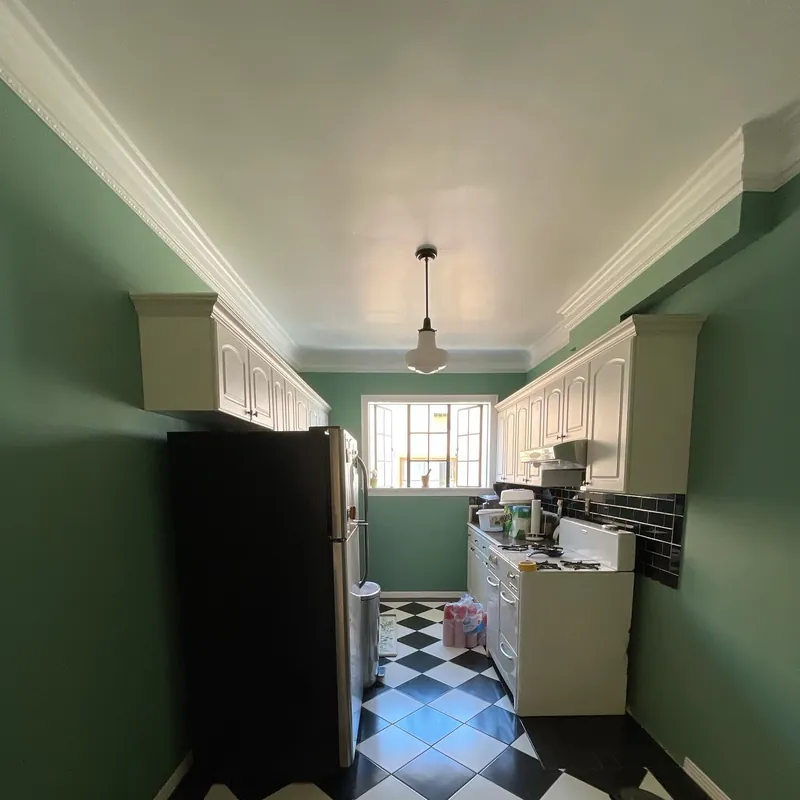 After
House Painting in San Marino, Matched to Each Style
San Marino homes span many eras and sizes. These five services follow the styles described in the city's own survey.
Period Revival Exteriors on Estate Lots
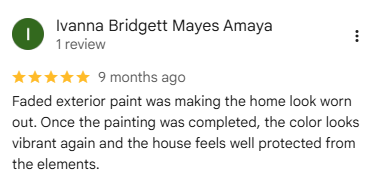
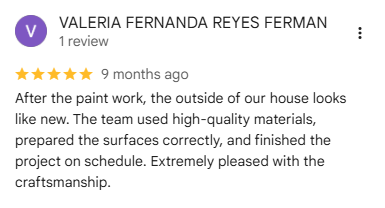
Period Revival homes from the 1920s boom set the city's character, in Spanish Colonial, Mediterranean, Monterey, Tudor, French and American Colonial Revival versions. Each style has its own trim, shutters and details to protect. On a large house, our exterior house painting is planned elevation by elevation, with scraping, priming and finish coats in sequence, so the work moves steadily and the site stays orderly.
Design Review Color Matching
The Design Review Committee reviews additions and visible alterations, and its findings require colors and materials consistent with the existing building. Repainting alone is not listed as a trigger in the city's design review article, but when paint is part of an addition or alteration, the new work has to match. Our color consultation, available case by case, records the existing colors, prepares samples and keeps one palette from the original house to the addition.
Spanish Colonial Stucco and Mediterranean Walls
Spanish Colonial and Mediterranean Revival houses carry broad stucco walls, and the city's roof list reserves clay barrel tile for those two styles. Our stucco painting starts by washing off grime, opening and filling cracks and matching the patch texture so repairs disappear. We then prime and finish with a coating made for stucco, masking tile edges and wood windows with care.
Tudor Trim and Dry Rot Prep
Tudor Revival homes, one of the surveyed Period Revival styles, often show exposed wood trim and half-timbering against the wall surface. Wood in those positions weathers at every joint. As part of the paint job, our dry rot repair probes trim, fascia and window frames, fills limited decay with epoxy and replaces boards that cannot be saved, matched to the original profile, before primer and paint.
Interiors in Houses From the 1920s to 1940s
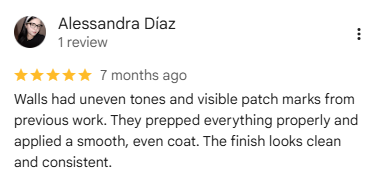
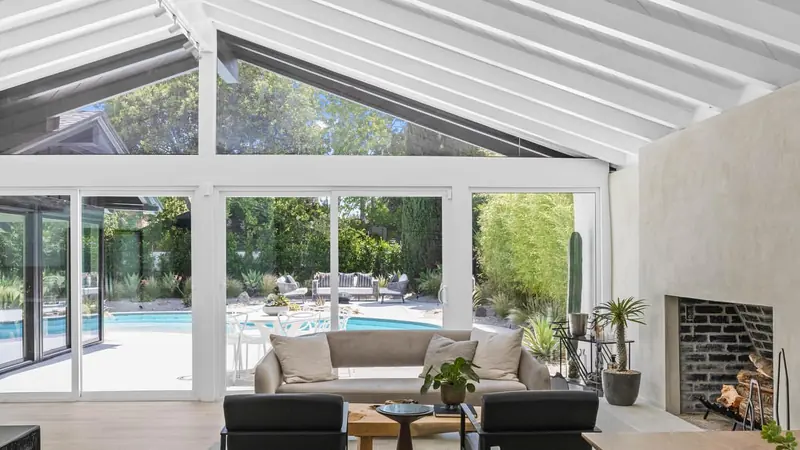
With about four in ten homes built before 1940, interiors here have usually been through many rounds of repairs and repainting. Our interior house painting fills and sands cracks, spot-primes patches and finishes walls, ceilings, doors and trim in smooth, even coats. Rooms are covered, floors are protected, and we clean up every day.
Design Review, Historic Preservation and Work Days
San Marino's Community Development Department runs the Building and Planning Divisions from City Hall on Huntington Drive. The Design Review Committee, five residents and two alternates, reviews additions or alterations visible from a street or alley, second stories, new homes and many roof changes, and its approvals expire after one year.
The historic preservation ordinance took effect in 2018, with the Planning Commission serving as the preservation commission. Designation requires owner consent, there are no designated historic districts, and projects meeting the Secretary of the Interior's Standards can get half the building permit fee refunded. Construction is prohibited on Sundays and listed holidays, so our San Marino jobs run Monday through Friday.