House painting in Glendora ranges from Queen Anne and Folk Victorian homes to early bungalows, postwar Ranch houses and large hillside homes with views across the valley. About 65 percent of the city's housing predates 1970, and more than a third went up in the 1950s, as the citrus era that peaked in 1947 wound down.
Our painters drive over from Simi Valley, and we have painted homes since 1988. Every estimate is written and itemized, and you pay the balance only after walking the job with us.
Between the San Gabriel Mountains and the South Hills
Glendora sits at about 774 feet, between the San Gabriel Mountains to the north and the South Hills to the south. The city's NOAA station averages 21.31 inches of rain a year, most of it in February, January and December, and one approximate table puts August highs in the low 90s. That swing from soaked winters to dry heat works paint hard, especially on wood trim and aging stucco.
Warm fall Santa Ana winds add to the strain and raise fire risk in the surrounding mountains. Wind dries exposed surfaces and pushes dust and ash into wet paint, so on gusty days we skip spraying and wipe walls down before each coat.
The Village, the Foothill Streets and the Hillside Zones
Glendora Village, the downtown along Glendora Avenue, anchors the oldest part of the city, and Glendora's one designated historic district is a residential neighborhood nearby. Centennial Heritage Park recreates a citrus ranch of the late 1800s and early 1900s. The city's Victorian and bungalow homes generally carry wood siding and trim with many layers of paint.
Along the base of the mountains, Sierra Madre Avenue, North Rainbow Avenue and Easley Canyon Road took mud from the Colby burn area in late 2014. Any parcel averaging a 10 percent slope or more also falls under the city's hillside rules, covered below.
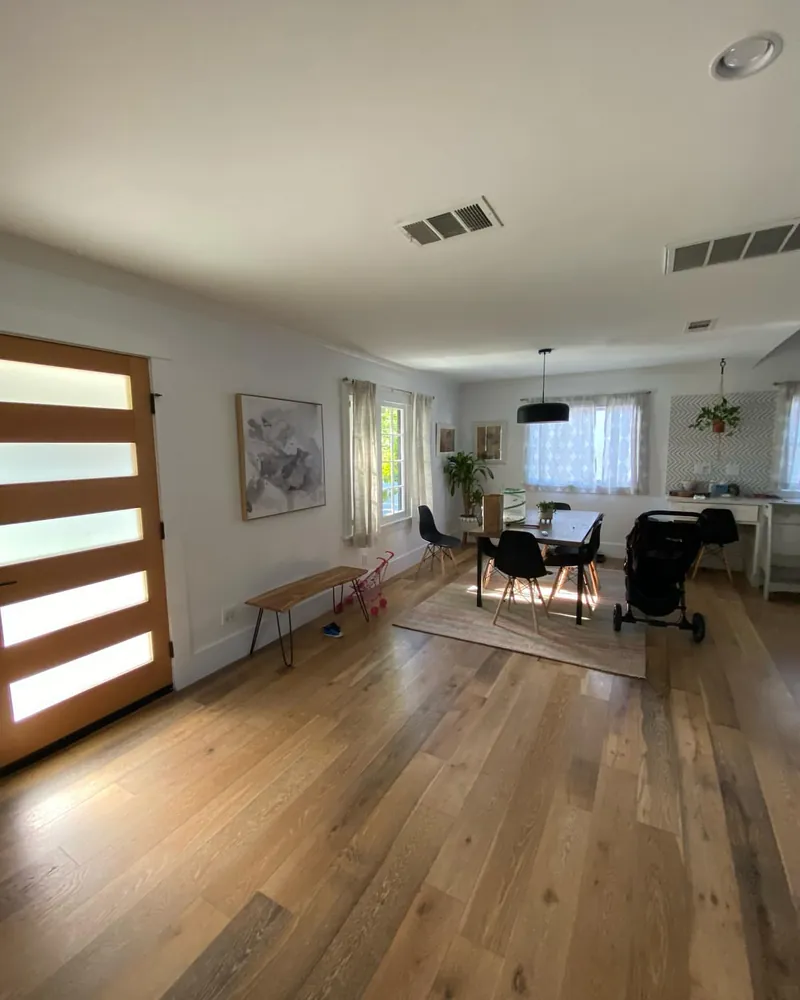
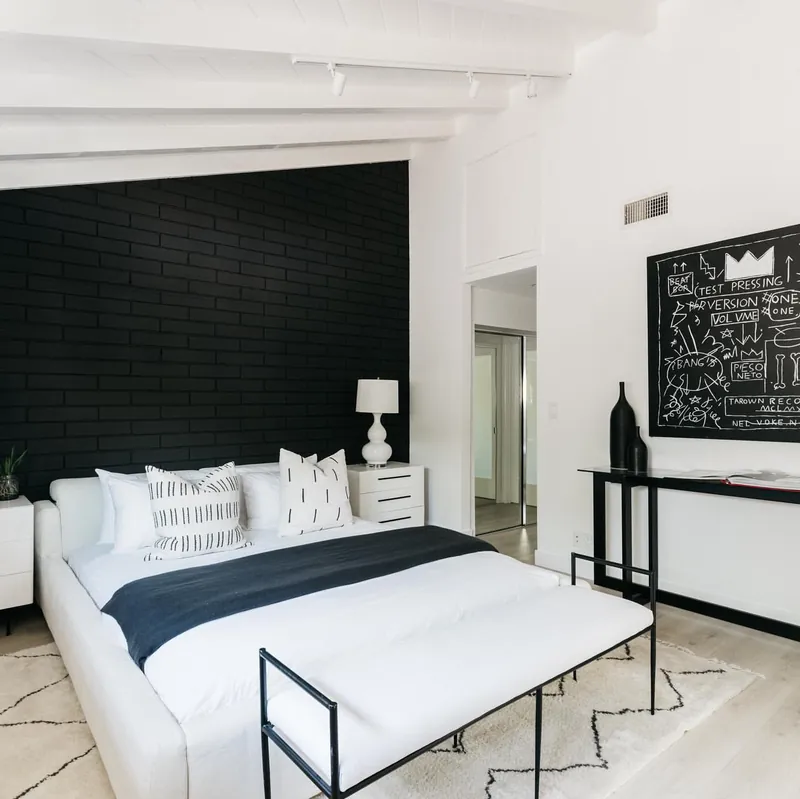
House Painting in Glendora: What We Handle
With old wood homes, postwar houses and hillside lots, the right service depends on where the house sits. Each one below ties to a local condition.
Earth-Tone Color Consultation for Hillside Lots
Under the hillside section of the municipal code, parcels averaging a 10 percent slope or more must use earth tones or colors resembling natural surroundings, and staff review and approve building materials and colors. Reflective materials must not be apparent from more than 100 feet away. Our color consultation, offered case by case, builds a body, trim and accent palette within those limits, with sample patches you can show the Planning Division.
Smoke Cleanup and Repainting After the Colby Fire
The 2014 Colby Fire showed how close a mountain fire can come to Glendora streets. Smoke and ash settle into stucco texture, eaves and window trim, and paint applied over that film can bleed through or fail to stick. Our smoke damage repainting washes the residue off first, then locks remaining stains under a stain-blocking primer before color goes on.
Victorian and Bungalow Exteriors
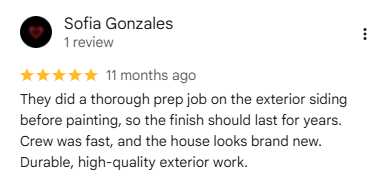
Queen Anne and Folk Victorian homes have turned porch posts, layered trim and wood siding, and early 20th century bungalows add deep eaves and exposed rafters. Each piece needs scraping, sanding and fresh caulk before primer, and multi-color schemes need steady brushwork at every edge. Our exterior house painting also covers the city's Ranch houses, with the same prep scaled to simpler trim.
Stucco Repair Before Repainting
Where Glendora's 1950s and 1960s houses, more than half the stock, have stucco walls, decades of winter rain and summer heat usually leave hairline cracks and old patches. We open and fill cracks, blend the texture and spot-prime each repair, and our stucco repair and painting uses elastomeric on walls that keep moving and breathable acrylic on settled ones.
Interior Repaints for Older and Newer Homes
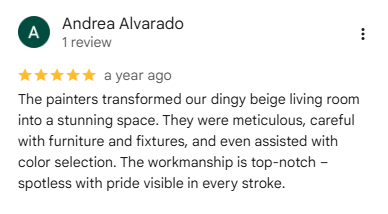
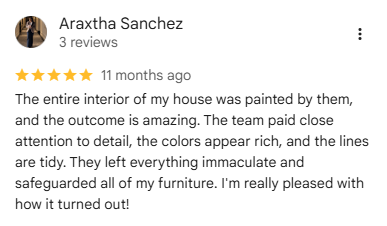
Inside, a Victorian may have tall painted trim and walls with generations of patches, while a newer hillside home may have high ceilings and large open rooms. We protect floors and furniture, fix dings and nail pops as prep, and cut sharp lines at trim and ceilings. Our interior house painting works room by room or across the whole house.
The Colby Fire and the Debris Flows That Followed
The Colby Fire started early on January 16, 2014, near Morris Reservoir just north of Glendora, and burned 1,952 acres before full containment on January 27. Fanned by strong Santa Ana winds, it destroyed five homes and about 3,600 people were evacuated at its peak.
The bare slopes then sent mud downhill. On November 21, 2014, a debris flow hit the 1100 block of Easley Canyon Road and damaged a house, and the December 12 storm left mud across parts of Sierra Madre, Glendora and North Rainbow avenues. When mud reaches a house, we pressure-wash the lower walls, let the stucco dry fully and check for staining before any primer goes on.
Glendora Permits, Hillside Review and Fire Maps
Building and Safety, at 116 E. Foothill Blvd., reviews plans and inspects work. The city's single historic district and its nearly three dozen local landmarks fall under the Planning Commission, where alterations need a Certificate of Appropriateness, so confirm whether new colors count before you start.
On the State Fire Marshal's 2025 recommended maps, 5,149 acres, roughly two fifths of Glendora, are Very High, and the City Council adopted the map by Ordinance No. 2094 on July 8, 2025. Building in those zones follows California's Wildland-Urban Interface Code (Title 24, Part 7), which took the place of CBC Chapter 7A on January 1, 2026, and hillside lots already require fire-retardant building materials.