Around the 1771 mission, house painting in San Gabriel follows written color standards: the Mission District Specific Plan lists palettes by architectural style, down to the shade of the trim. Elsewhere in the city, 1920s and 1930s bungalows are mostly wood-sided, and postwar homes pair cement plaster with wood siding and shutters.
Best Top Painting has painted homes since 1988, and we drive in from Simi Valley to look at each house in person. The estimate is written and itemized, and you pay the final balance after walking the finished work with us.
Plaster, Siding and a Warm, Dry Valley Summer
From 1910 through the 1920s, new buildings in the city core went up in Mission Revival and then Spanish Colonial Revival style, built with manufactured brick, cement plaster and concrete instead of adobe. North of Broadway, land along Padilla and Live Oak streets was subdivided in the late 1930s and mostly built out after 1945. The city's own standards describe postwar homes as white, cream or pastel plaster with wood siding and shutters.
San Gabriel's 1991 to 2020 normals show an August mean high of about 87.6°F, and records of 112°F were set in August and September. Rain totals about 15.7 inches a year on roughly 33 days, mostly from December through February, and July to September are nearly dry. That long dry season gives exterior work a wide window, though we paint sunny walls early on the hottest days.
The 1987 Whittier Narrows earthquake, centered in nearby Rosemead, damaged the mission, and its October 4 aftershock brought down two bell towers at today's Mission Playhouse. On plaster of that age we look closely for hairline cracks and price their repair before quoting any paint.
The Mission District, Broadway and the Northern Tracts
The Mission District surrounds Mission San Gabriel Arcángel, whose church was completed in 1805, along with City Hall, the Arcade Shops and Smith Park. The Mission Playhouse, built from 1923 to 1927 in the Mission Revival style, has a facade modeled on Mission San Antonio de Padua. Nearby stand the Lopez de Lowther Adobe and the Hayes House, a late 19th century Queen Anne cottage that is now the Historical Association Museum.
North of Broadway, the Padilla Street and Live Oak Street area holds a few prewar Spanish Colonial Revival houses among postwar homes, duplexes and apartments. Before quoting anywhere in town, we check the address: some San Gabriel mailing addresses in the 5000 to 8000 blocks are in unincorporated Los Angeles County, not the city.
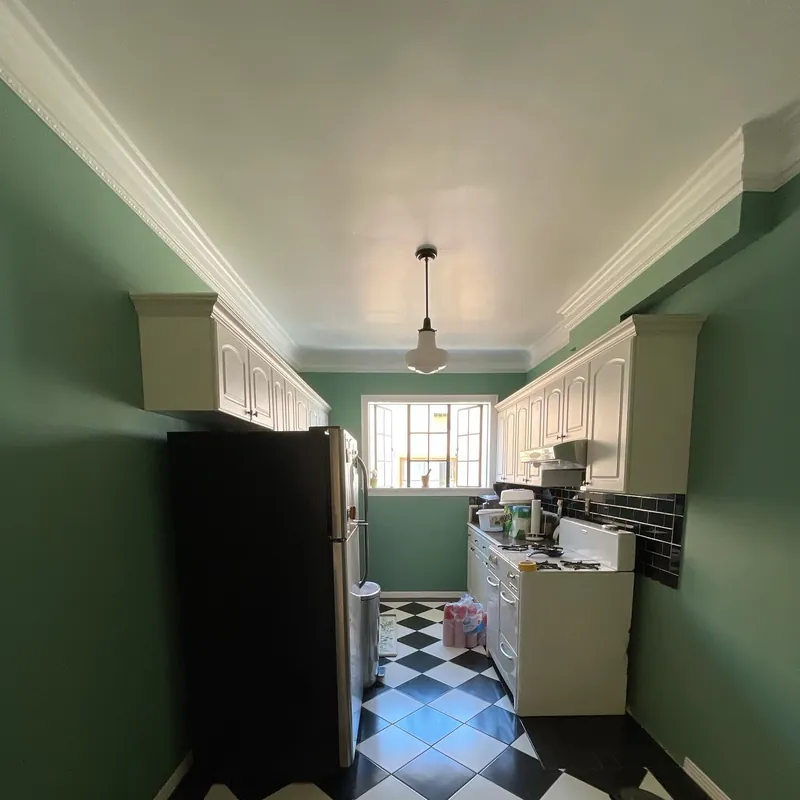 After
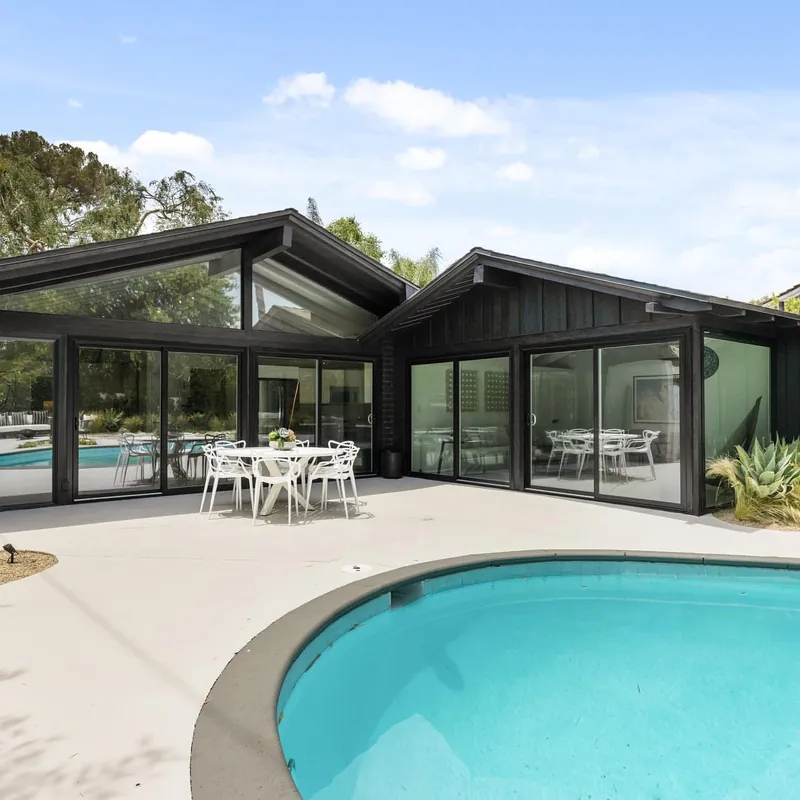
House Painting in San Gabriel, Style by Style
Each service below responds to a San Gabriel building type or rule. Most exteriors here need two or three of them.
Color Consultation for Mission District Palettes
The Specific Plan names colors by style: warm gray, gray-brown, warm white or cream on existing Spanish Colonial Revival plaster, white-painted plaster for Spanish Colonial buildings, and white, cream, light yellow, light tan or light gray siding on 1920s and 1930s bungalows. Our color consultation, offered case by case, narrows those ranges to samples that suit your house and its light.
Spanish Colonial Revival Plaster Walls
Cement plaster is the main wall surface on San Gabriel's Revival homes and on many postwar houses. We wash, open and fill cracks, blend the texture and prime the patches so they vanish under the finish. Our stucco repair and painting then applies an elastomeric coating on walls with active cracks or a breathable acrylic on stable ones.
Bungalow Siding and Trim on Prewar Streets
The city's standards describe its 1920s and 1930s bungalows as wood-sided, with gable or hip roofs and white or cream trim in the Mission District. Wood siding needs scraping to a sound edge, caulk at the corners and primer on any bare boards. Our exterior house painting keeps the siding and trim colors crisp at every joint.
Wood Shutter and Siding Repair Before Painting
Postwar plaster houses here often pair their walls with wood siding accents and wood shutters, and that exposed wood needs closer attention than the plaster around it. As part of the exterior job, our dry rot and trim repair fills or replaces soft wood on shutters, fascia and siding boards. New and repaired wood is primed before the finish coats.
Interior Repaints for Prewar and Postwar Homes
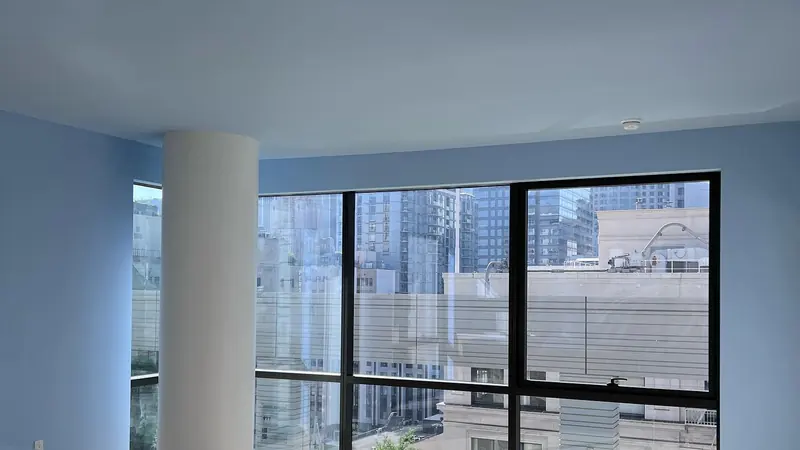
Inside, older San Gabriel homes may have plaster walls with settling cracks and trim built up with many coats. We fill, sand and spot-prime so the finish looks even, and we protect floors and furnishings room by room. Our interior house painting covers walls, ceilings, doors and baseboards. Kitchens and baths get scrubbable finishes suited to moisture.
Design Review, Historic Resources and Permits in San Gabriel
Under city code, no building permit is issued until a precise plan of design or site plan review is approved. In the Mission District, any new construction or alteration to a non-historic single-family home needs a site plan review approved by staff with the City Preservation Architect before permits issue. On projects that already have design approval, later changes to colors or finishes need sign-off from the Design Review Commission chair and the City Architect.
For designated historic resources, a paint color change is exempt, but repainting surfaces painted during the period of significance needs staff administrative clearance. Permits come from Building and Safety at City Hall, 425 South Mission Drive. San Gabriel does not appear in the State Fire Marshal's 2025 list of cities with recommended local fire hazard zones.