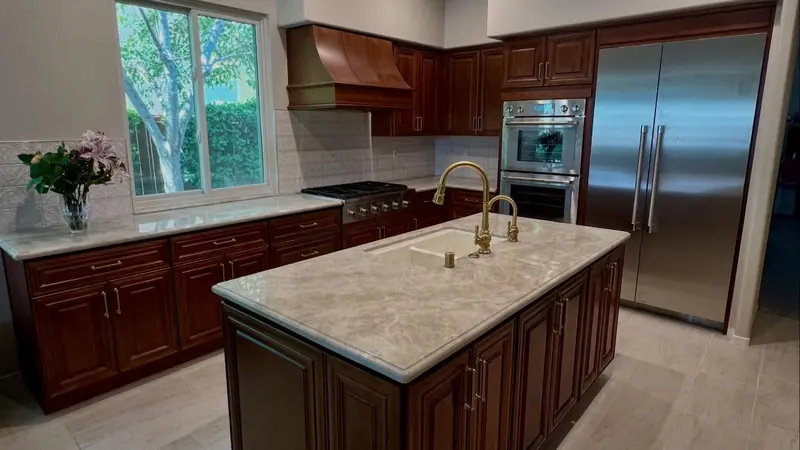
A historic kitchen remodel in Pasadena has two jobs: the room should look like it belongs in a 1910s bungalow or a 1920s Spanish Revival house, and it should run on the wiring, plumbing and ventilation a modern cook expects. Best Top Kitchen has remodeled kitchens, and only kitchens, for more than 20 years, and serves Pasadena, South Pasadena, San Marino, Altadena and Sierra Madre.
We take these on as complete kitchen remodels, with design, custom cabinetry, countertops, layout changes, installation and permits under one contract. We do not take standalone cabinet or countertop swaps in historic homes. In an old house, the period details and the new systems only line up when one contractor is responsible for the whole room.
What a Period-Correct Kitchen Remodel Covers
Every project starts with an in-home consultation, measurements and 3D renderings. The scope usually includes:
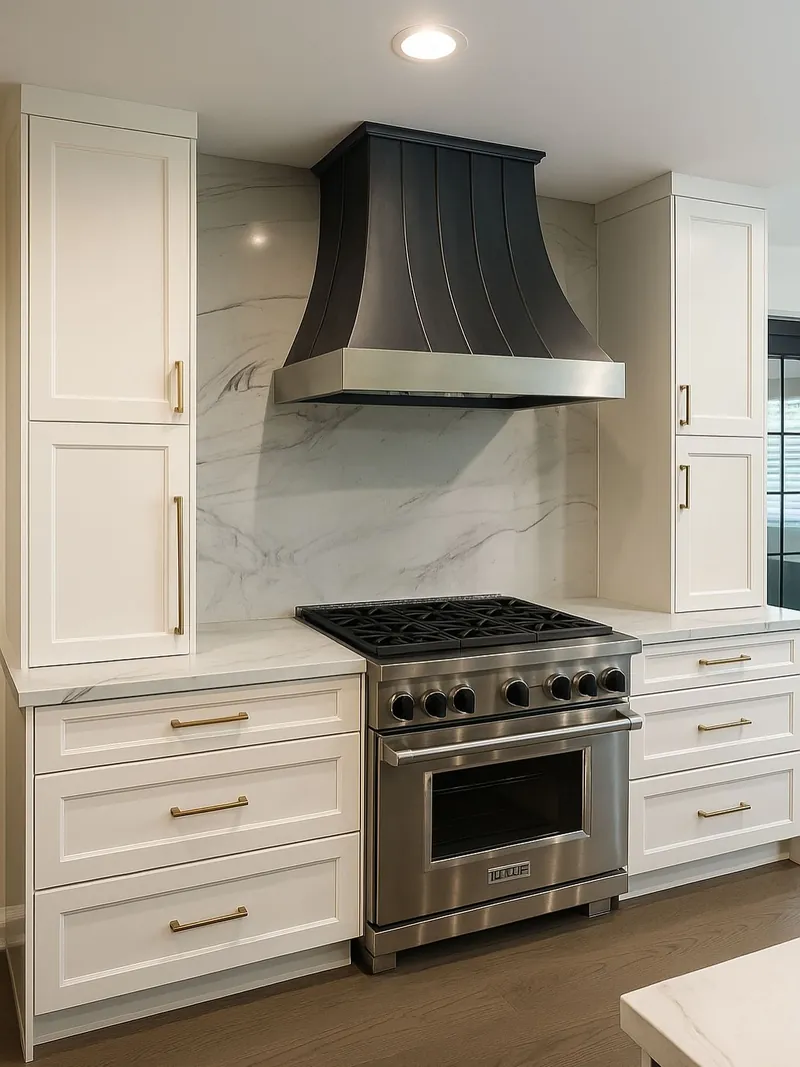
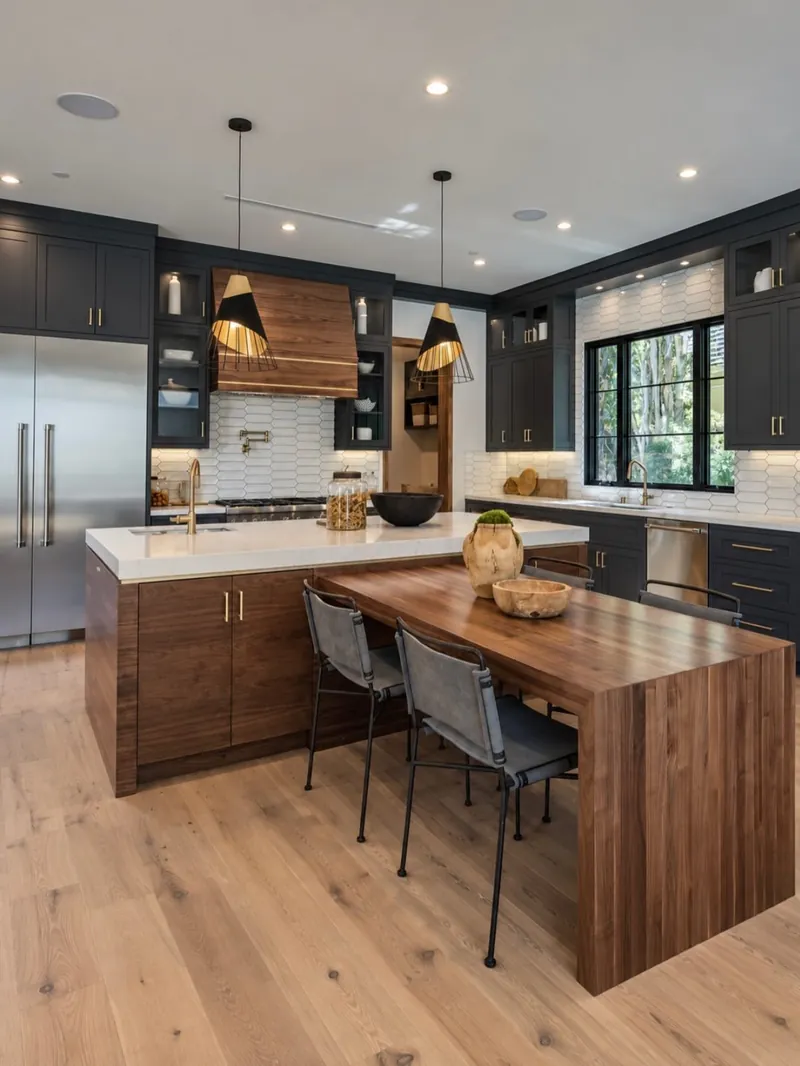
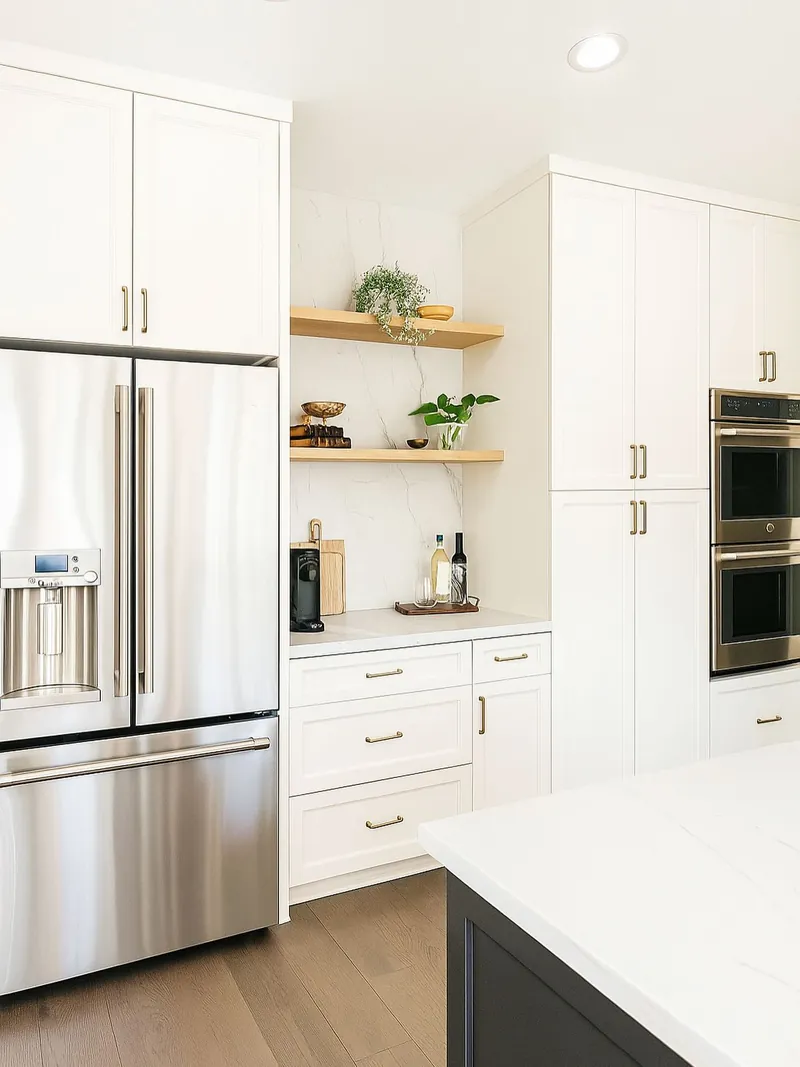
- Cabinetry in the language of the house. Inset doors, Shaker or flat panels, beaded face frames, and hardware like bin pulls and latches. See our custom kitchen cabinets page.
- Surfaces that suit the era, like honed stone and handmade-look tile.
- Layouts that respect the floor plan. Early 1900s kitchens were often small, closed rooms with a pantry nearby, which we can fold in as a butler's pantry or scullery rather than removing walls the house was built around.
- Modern systems, out of sight. New circuits, lighting, plumbing and ventilation routed around original windows and casings.
- Panel-ready appliances that keep stainless steel from overpowering a period room.
Signs an Older Kitchen Needs More Than New Finishes
- Two-prong outlets, a fuse box, or too few outlets for a toaster and kettle at once.
- A mid-century update hid original windows or trim behind soffits and laminate.
- Low water pressure or discolored water at the kitchen tap.
- Original built-ins or tile are failing and you want them kept or matched.
Knob-and-Tube Wiring and Galvanized Pipe
Two of these signs point inside the walls. Galvanized pipe, common in homes built before the 1960s, causes low pressure and discolored water as it corrodes. Knob-and-tube wiring, in common use from about 1880 to the 1940s, still turns up in Pasadena's older houses. We look for both at the consultation, because either one changes the scope of the remodel and the order in which the trades work.
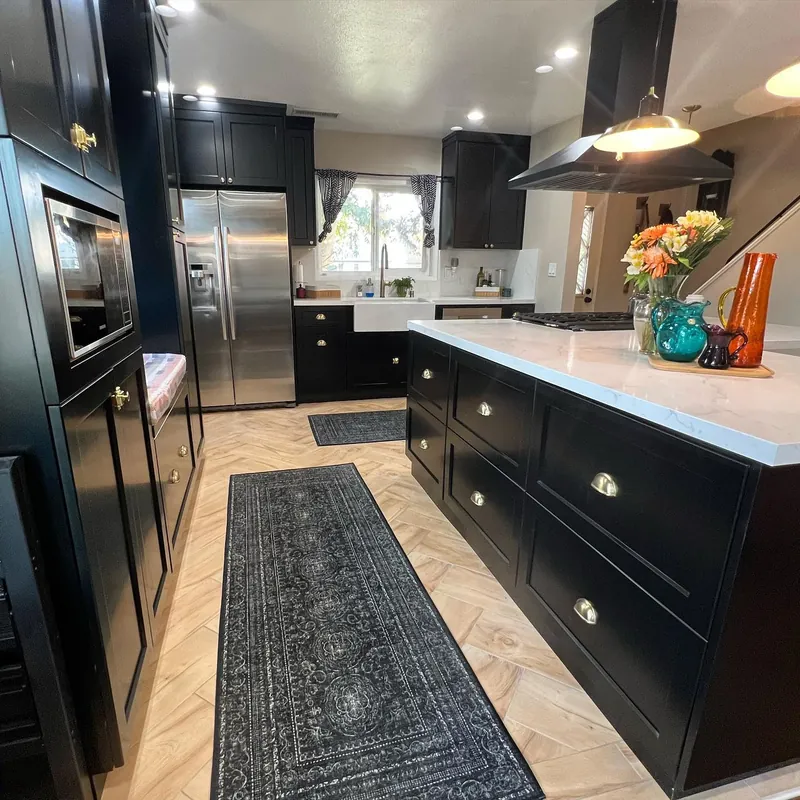
How a Historic Kitchen Remodel in Pasadena Moves From Plan to Delivery
- Consultation. We measure, photograph original trim and built-ins, and learn how you cook.
- Design and 3D renderings. Finishes and hardware are rendered before anything is ordered, with your interior designer if you have one. More on our kitchen design process.
- Review check and permits. We confirm whether anything, such as a new window, triggers historic review, then file for permits.
- Careful demolition. Elements you want to keep are protected. Once walls are open, we show you what we found before rough-in.
- Rough-in and inspections for wiring, plumbing and venting before walls close.
- Cabinets, counters and finish work, including stone templating, tile, lighting and appliances.
- Walkthrough. We review every detail with you, and we stand behind our work for one year from project delivery.
Craftsman, Spanish Revival and Colonial Kitchen Styles Compared
| House style | Cabinet direction | Counters | Telling details |
|---|---|---|---|
| Craftsman bungalow | Inset Shaker or flat panels, oak or painted | Honed stone, wood accents | Bin pulls, glass-front uppers, matte tile |
| Spanish Revival | Painted or stained wood, simple panels | Honed marble or limestone-look stone | Patterned tile, plaster hood, iron hardware |
| Colonial or Tudor Revival | Painted inset with beaded frames | Marble, honed granite | Glass-front cabinets, unlacquered brass |
Honed finishes usually suit a period kitchen better than polished ones. Marble etches with acids; quartz is easier to live with but can look too uniform beside old wood trim. See kitchen countertops for more.
What Drives the Budget in an Older-Home Kitchen
Older kitchens usually cost more to remodel than the same layout in a newer house, because of what is inside the walls and the detail the finish work demands:
- Old systems. Knob-and-tube circuits and galvanized lines are hard to price exactly until walls are open.
- Electrical service. Induction and modern appliance loads may call for an upgrade.
- Inset cabinetry and matched trim take more shop time.
- Lead-safe work. In homes built before 1978, EPA's lead renovation rule covers paid work disturbing more than six square feet of interior painted surface in a room.
We price each historic kitchen remodel in Pasadena after seeing the house. Most of our full remodels fall in a range we confirm at the design consultation, and we explain allowances for hidden conditions and change orders before you sign.
Landmark District Review and Permits Around Pasadena
In Pasadena's landmark districts, including Bungalow Heaven, the city's first, the City lists interior alterations as exempt from historic design review. A kitchen that stays inside the walls still needs building permits through the Pasadena Permit Center, but not a Certificate of Appropriateness.
Replace or enlarge a window visible from the street, though, and that certificate is required before a building permit is issued. In South Pasadena, historic designation likewise affects exterior changes. Altadena is unincorporated, so permits there go through Los Angeles County Public Works. We confirm which rules apply to your address before design is final.