Fire resistant roofing in Camarillo became a local priority in November 2024, when the Mountain Fire started near Somis and wind drove it into the Camarillo Heights and Camarillo Estates areas. CAL FIRE's final count was 19,904 acres burned and 243 structures destroyed.
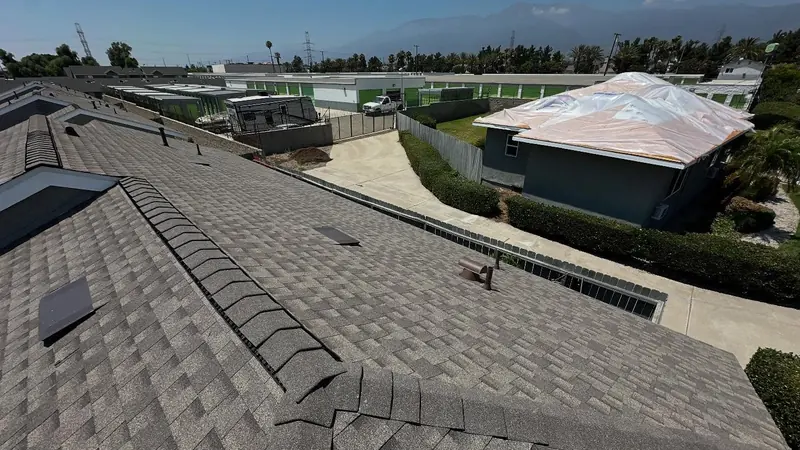
Wind-blown embers can ignite homes well ahead of the flames, and the roof is one of the most exposed parts of a house. Best Top Roofing installs Class A roof assemblies and upgrades the details around them, such as vents, valleys, eave ends and gutters, where embers tend to get in.
What a Class A Roof Upgrade Includes
Class A is the highest roof fire rating, and it belongs to the whole assembly tested under ASTM E108 or UL 790, not just the covering. In a fire hazard zone, the project also covers the details below.
Class A Roof Assemblies
The covering can be asphalt shingles, concrete or clay tile, or metal, installed as a listed Class A assembly with the underlayment that listing names. Where a tile profile leaves an airspace over a wood deck, we add a 72-pound cap sheet or approved fire stopping, plus bird stops at the eaves so embers and leaves cannot collect under the first row.
Ember-Resistant Vents and Eaves
Vents give wind-blown embers a direct path into the attic. We install listed flame and ember resistant vents, or noncombustible mesh with 1/16 to 1/8 inch openings where the code allows it, and protect the undersides of enclosed eaves and soffits.
Metal Valleys
Valleys collect dry leaves and needles, which makes them a natural landing spot for embers. The code calls for at least 26-gauge corrosion-resistant metal over a 36-inch-wide, 72-pound mineral-surfaced cap sheet, and we photograph both layers before the roofing covers them.
Noncombustible Gutters
A gutter packed with dry debris gives embers fuel right at the roof edge, and vinyl gutters are combustible themselves. Fire hazard zones require noncombustible gutters and downspouts with an approved way to keep leaves out. See gutters with your new roof.
Signs Your Roof Is Not Ready for Fire Season
- A wood shake roof. California's Safer from Wildfires standard names wood shake as a roof type that does not qualify as Class A. See wood shake roof replacement.
- Open tile ends at the eaves with no bird stops, or leaves packed under the first row of tiles
- Attic or eave vents with large openings, torn screens or no screen at all
- Vinyl gutters, or gutters full of dry leaves and needles
- Patched areas done in a different, non-rated material
How We Handle Fire Resistant Roofing in Camarillo
- Zone lookup. We check your address on the state fire hazard severity zone map before we visit.
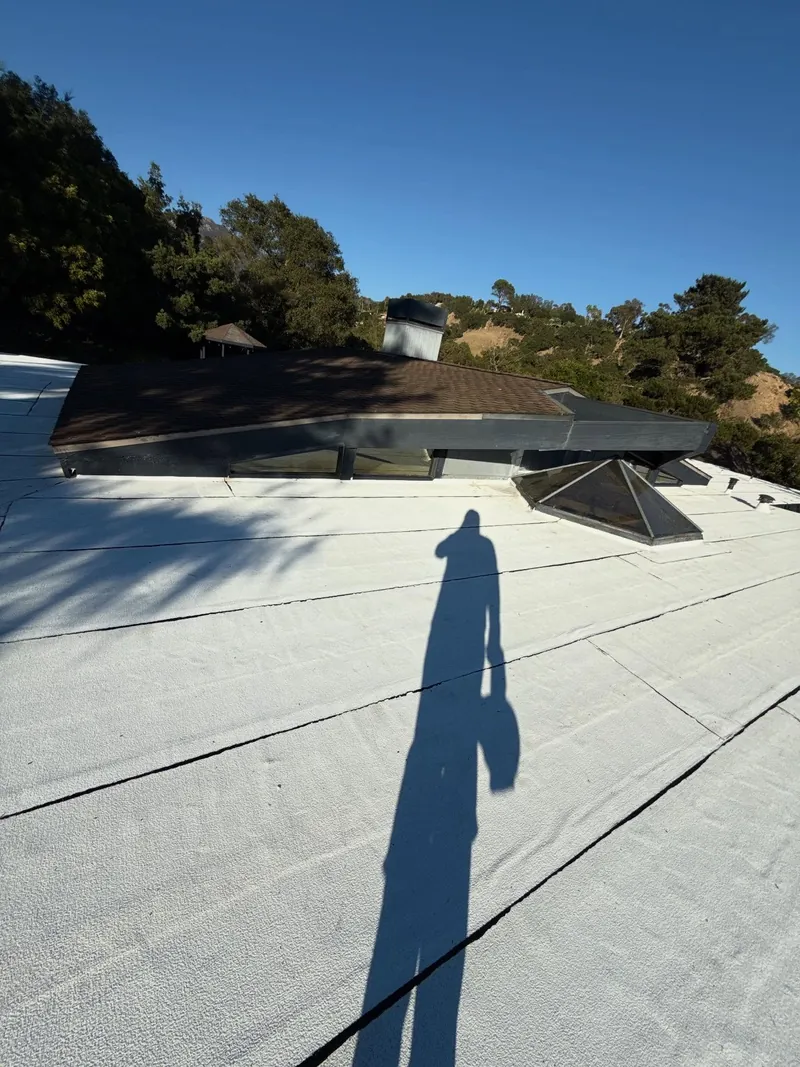
- Free inspection. We photograph the covering, vents, eaves, valleys and gutters and note each item that falls short.
- Itemized proposal. Every code detail is its own line, so you can see what is required and what is optional.
- Permit. We pull the permit and schedule inspections with the city or county.
- Install and document. Deck, underlayment, cap sheet, valley metal and vents are photographed before they are covered.
- Closeout file. You receive the photo set and permit final, ready to share with your insurer.
Class A Roofing Materials Compared
| Material | Reaching Class A | Things to weigh |
|---|---|---|
| Asphalt shingles | Class A when installed as the listed assembly | Wide color range; check the wind class |
| Concrete or clay tile | Class A covering; needs a cap sheet or fire stopping where the profile leaves an airspace, plus bird stops | Heavy; the underlayment beneath can wear out before the tile |
| Metal | Class A as an assembly with the underlayment or deck the maker specifies | Coating and fastener choice matter near the coast |
| Fire-retardant-treated shakes | Must be listed by the State Fire Marshal and installed as a Class A assembly | Safer from Wildfires lists wood shake as not qualifying |
On tile homes, see tile underlayment replacement. For panels, see metal roofing.
What Changes the Cost of a Fire-Resistant Roof
- Material. Shingles, tile and metal price differently.
- Deck condition. Damaged sheathing found at tear-off gets replaced.
- Tile details. Cap sheet, bird stops and fire stopping add material on tile profiles.
- Vents and eaves. The number and type of vents to replace, and whether open eaves need protection.
- Gutters. Swapping vinyl for noncombustible gutters with debris protection.
- Scope trigger. Replacing 50 percent or more of the roof within 12 months brings the whole roof under current rules.
Chapter 7A Is Now the California Wildland-Urban Interface Code
Until 2026, California's wildfire building rules lived in Chapter 7A of the Building Code and Section R337 of the Residential Code. With the 2025 code cycle, effective January 1, 2026, those provisions moved into a standalone California Wildland-Urban Interface Code, Title 24 Part 7, and Chapter 7A now points to it.
The rules apply to new buildings and to additions, alterations and repairs in fire hazard severity zones and designated wildland-urban interface areas. For roofs, any covering applied during a repair must be Class A.
Fire Zones and Fire History Around Camarillo
CAL FIRE released updated local fire hazard maps for Ventura County on March 10, 2025. Countywide, more than 88,000 acres are now rated very high, a 54 percent increase over the 2011 maps, with Moorpark, Simi Valley and Thousand Oaks holding the most very high acreage.
The Springs Fire started near Camarillo Springs in May 2013, and the Mountain Fire reached Camarillo Heights in 2024. If your home backs onto open hillside, check the map before planning fire resistant roofing in Camarillo.