A roofing contractor in Lancaster spends a lot of time thinking about wind, and the numbers explain why. Data from 1996 to 2006 put Fox Field's average wind at 11.2 mph, well above the 7.8 mph measured at LAX, and the northern Antelope Valley falls within the Tehachapi Wind Resource Area, described as California's largest.
Best Top Roofing drives to Lancaster from Camarillo to inspect, repair and replace roofs on houses, rentals included. Every job begins with a free inspection, photos of each problem and written findings, so an owner who lives elsewhere can review the roof without climbing a ladder.
Wind, Sun and Cold: What Lancaster Roofs Are Up Against
At roughly 2,359 feet, Lancaster has a semi-arid climate on the edge of true desert. The wind comes mostly from the west, swinging southwest from June through September, and Fox Field's monthly average climbs to 14.0 to 15.5 mph from April through June. A roof carries that load day after day, not just during the occasional storm.
Heat and sun add to the wear. Summer afternoons average 97.6 degrees in July, and the thermometer hit a record 115 on June 30, 2013. Ultraviolet exposure dries out asphalt and the sealant at flashing, which makes the wind's work easier over time.
Winter swings the other way. About 68 mornings a year reach freezing, the January average low is 31.3 degrees, and the record low of 2 degrees was set on December 24, 1984. Snow is light most years, about 2 inches, though January 1979 brought 23.9.
Precipitation is light too, about 6.81 inches a year, so damage can stay hidden until a storm finds it.
From The BLVD to West Lancaster and Quartz Hill
Lancaster roughly doubled in the 1980s, from 48,027 residents in 1980 to 97,291 in 1990, as Antelope Valley tract building took off. That timeline suggests a large share of homes date from the 1980s and 1990s boom, so roof age is often the first thing we check.
We serve homes all over the city, from blocks near The BLVD on Lancaster Boulevard to West Lancaster around the Prime Desert Woodland Preserve and the area by Fox Airfield, where the Musical Road sits at 30th Street West and Avenue G.
Two details shape how we plan a job. Only 58.8 percent of housing units were owner-occupied in 2020, so many houses are rentals whose owners may live elsewhere. Quartz Hill also shares the 93536 ZIP code with parts of Lancaster, so we confirm city limits before filing a permit.
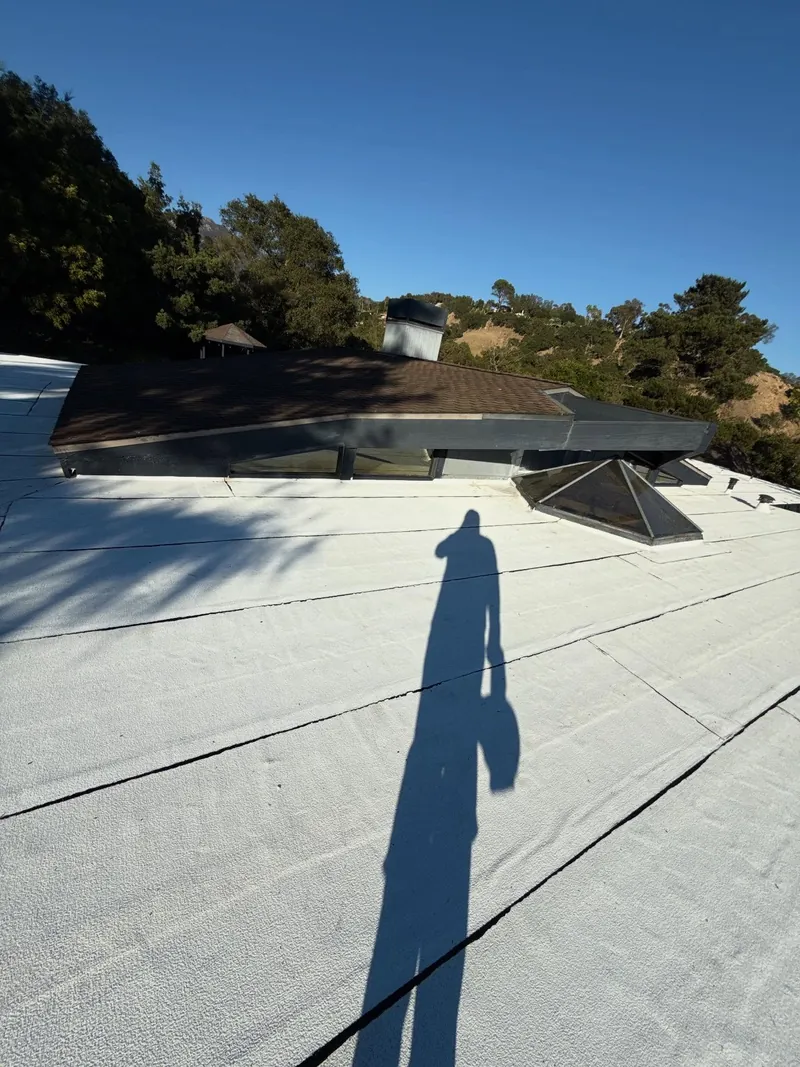
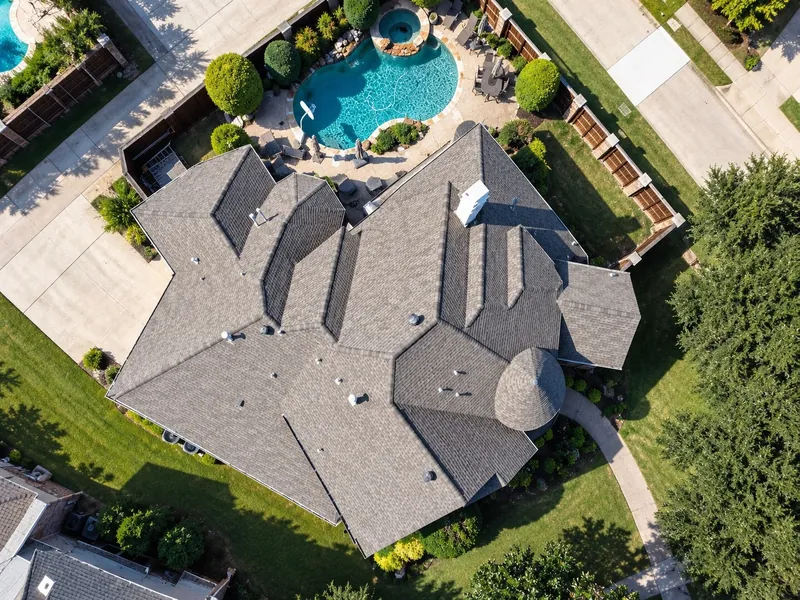 After
Roofing Services for Lancaster's Wind and Weather
Wind does most of the damage we see in Lancaster, and sun and frost finish what it starts.
Wind Damage Repair for Lifted Shingles and Ridge Caps
Rakes, ridge caps and the first course of shingles at the eaves flex every time a gust gets under them. Once a sealing strip lets go, the next gust can fold the shingle back or tear it off and leave the underlayment open. A roof repair replaces what is missing and reseals the courses around it, and wind-blown loose shingles are one of the jobs our reviewers describe.
Wind-Rated Shingle Re-Roofs for the Antelope Valley
When a whole slope keeps losing shingles, patching stops making sense. On a shingle roofing replacement we choose products by wind classification and fasten starter courses, rakes and ridges exactly as the manufacturer's instructions call for. A lighter, cool-rated color can also turn back some of the July sun that bakes the asphalt.
Freeze-Thaw Leak Fixes Before the Cold Months
Cold alone rarely ruins a roof. The trouble starts when water seeps into a crack, freezes, expands and repeats the cycle the next night, slowly widening a hairline split. Our roof leak repair visits look for cracked shingles and tiles, open flashing joints and sealant that has pulled away, and we suggest closing them up in fall, before the freezing mornings arrive.
Emergency Tarping When a Spring Gust Opens the Roof
A strong gust can peel back a section of shingles and leave bare deck exposed. Call during business hours and an active leak goes first in line: we tarp or patch the opening, photograph the damage for your records and return for the permanent fix. Our emergency roof repair page explains the steps.
Free Inspections After the April to June Wind Peak
With so little rain, a slow drip into the attic can go months before anyone notices a stain. That is why we like to inspect right after the spring wind season, when loose material is easiest to spot. A free roof inspection ends with photos and written findings you can keep.
Permits and Code for a Roofing Contractor in Lancaster
For addresses inside city limits, permits come from the City of Lancaster Building and Safety office. The city requires a permit for work that physically changes a property or adds value to it, and a reroof generally qualifies. We prepare the application, meet the inspector at the final and add the signed-off permit to your photo file.
A reroof can also trigger California Energy Code roofing requirements, which depend on climate zone, roof slope and how much of the roof is replaced. We confirm them at permit time so the product in your proposal is the one the inspector expects to see.