Hiring a roofing contractor in Los Angeles starts with the address, because one city stretches from sea-level beach blocks to Mount Lukens at 5,075 feet. Along that range, one house may fall in a mapped fire zone, another inside a historic district, and a third under neither.
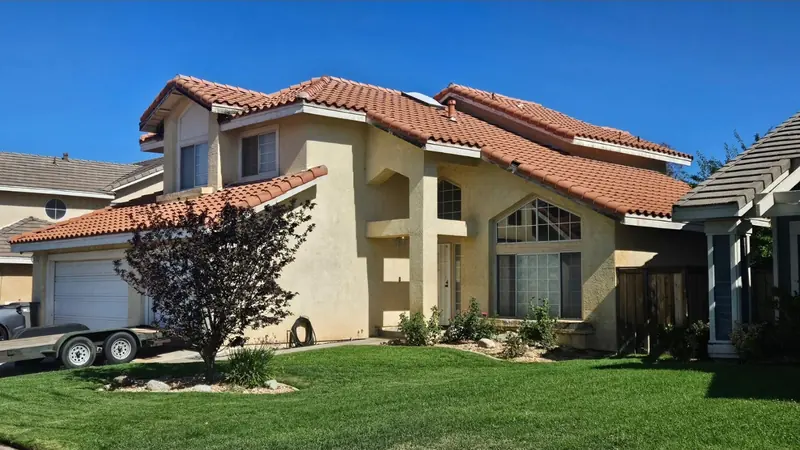
Best Top Roofing drives in from Camarillo to inspect, repair and replace roofs on Los Angeles houses, from hillside lots to the flats. The inspection costs nothing, every problem area gets photographed, and the written proposal names each material along with the permits the job needs.
Housing Eras, Microclimates and the 1994 Earthquake Across Los Angeles
Los Angeles grew in waves, and its roofs show it. The population more than doubled in the 1920s, from 576,673 to 1,238,048, and Census figures now put the median home's build year at 1965, with 19.4 percent of units from 1939 or earlier and about 56 percent from before 1970. Bungalow courts led multifamily building through the 1930s, and stucco dingbats followed in the 1950s and 1960s.
Weather shifts with distance from the ocean. The average July high is 70 degrees at the Santa Monica Pier and 95 in Canoga Park, 15 miles inland. Downtown averages 14.25 inches of rain a year, but runs of 5 to 10 inch years are often broken by one or two years above 20 inches. Late spring and early summer bring June Gloom, with morning overcast or fog.
Santa Ana winds blow 10 to 25 times a year, mostly in autumn. In January 2025 they gusted past 80 mph while the Palisades, Hurst, Sunset and Kenneth fires all burned inside city limits.
The magnitude 6.7 Northridge earthquake struck at 4:30 a.m. on January 17, 1994. City findings count more than 115,000 damaged buildings and about 21,000 vacated residential units, 2,000 of them single-family homes.
From Angelino Heights to the Hillside Fire Communities
Angelino Heights became the city's first HPOZ in 1983, and the adopted districts now run from Hancock Park, Windsor Square and Jefferson Park to Highland Park-Garvanza and Van Nuys. Inside those boundaries the roof is part of a reviewed facade, so the scope follows the Preservation Plan for that one district.
Hillside neighborhoods bring a different checklist. LAFD lists portions of Baldwin Hills, Bel Air Estates, Mount Washington, El Sereno, Silver Lake, San Pedro and Tujunga, among others, in the Very High Fire Hazard Severity Zone the city created in 1999. In Pacific Palisades, where the January 2025 fire began, we confirm current rebuild rules with the city before quoting.
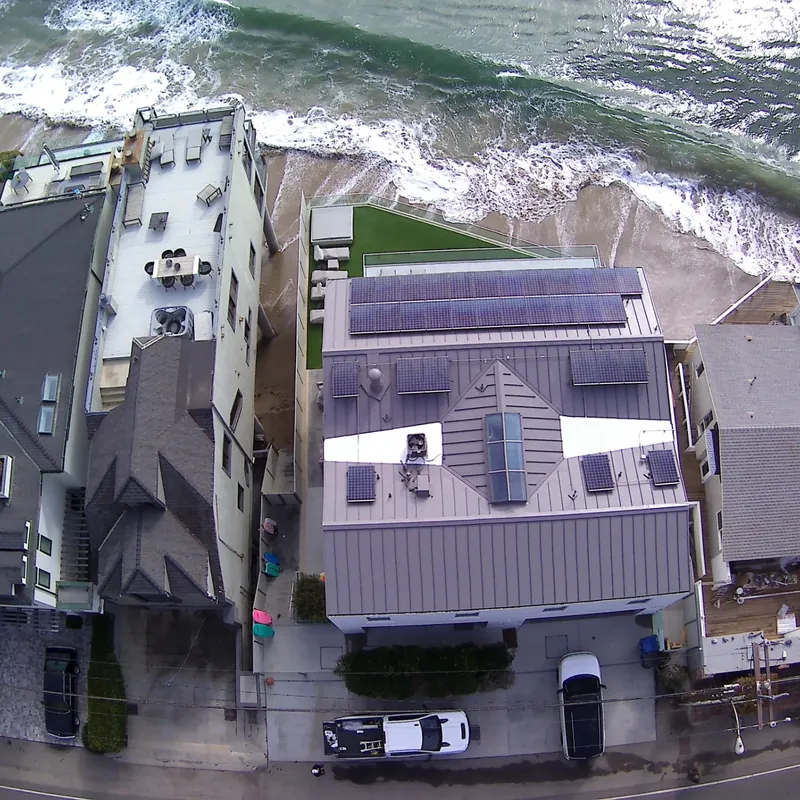
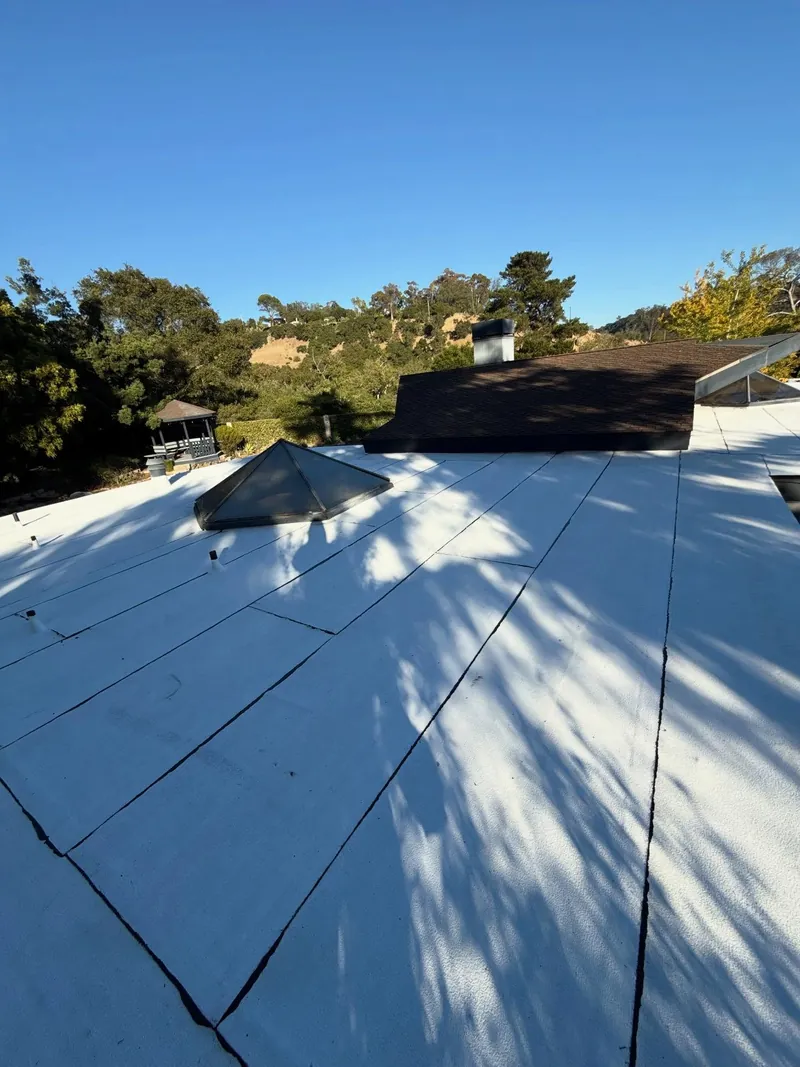
Work We Handle as a Roofing Contractor in Los Angeles
Fire maps, a ban on wood roofs and 35 historic districts shape most jobs here. Five services cover them.
Class A Coverings in Very High Fire Zones
The State Fire Marshal's March 2025 recommendations put 101,592 acres of the city in Very High, up from 94,832 on the 2011 map. In the existing zone, LAMC 91.7207.4 requires a Class A roof assembly, and 91.7207.3 calls for noncombustible, corrosion-resistant screening of 1/4 inch or less over exterior attic openings. We look up your parcel's status before pricing fire-resistant roofing, then write the vent and eave details into the scope.
Wood Shake Replacement Under the Citywide Ban
LAMC 91.1505.1 is blunt: no wood shake or wood shingle roof covering is permitted anywhere in the City. A house that still wears old shakes cannot be redone in shake, canyon lot or not. Our wood shake roof replacement installs a covering tested to ASTM E108 or UL 790 and classed for the building under CBC Table 1505.1.
HPOZ Historic Review Before Work Starts
The City adopted its HPOZ ordinance in 1979, and every exterior change in a district gets added review under that district's Preservation Plan. Some projects clear at staff level, while others also go before the HPOZ Board, which may review work as small as window rehabilitation. Each plan sets its own exemptions, so we read yours before scheduling a roof replacement.
Repairs on Houses From the 1920s Boom
Nearly one in five Los Angeles housing units was built in 1939 or earlier. On a house that old, the visible covering may not be the first one, and a leak can trace back to flashing hidden under later work. Our roof repair visits open the suspect area, photograph what lies under it and fix the source.
Free Inspections Before a Wet Year
Rain in Los Angeles arrives in bunches, and the hills usually get more of it than the basin. A roof that coasted through several dry winters can give way in the first season above 20 inches. Our free roof inspection covers the covering, flashing, attic vents and gutters, and the photos and notes are yours to keep.
LADBS Permits, Hillside Size Limits and the Pending Local Wildfire Code
LADBS issues roofing permits citywide, while HPOZ review runs through City Planning. We pull the permit and add the signed final to your file.
The Baseline Mansionization Ordinance of 2008 and the Baseline Hillside Ordinance of 2011 cap size and bulk in single-family zones. Amended versions passed on March 1, 2017, and sources disagree on the final floor area figures.
On January 1, 2026, the California Wildland-Urban Interface Code, Title 24, Part 7, replaced CBC Chapter 7A. Under its Section 507, a roof covering applied in a repair must be at least Class A, and replacing 50 percent or more of a roof within 12 months triggers new-construction rules. A Los Angeles version of that code and the City's adoption of the 2025 maps are both pending, so we check the map in force for each parcel.