A roofing contractor in Santa Monica has to know the review steps, because this is a city of landmarks, historic districts and a coastal zone where the California Coastal Commission still issues the permits. It is also a city of apartments, where only about one housing unit in five is a detached house.
Best Top Roofing drives down the coast from Camarillo to serve those homes, from Ocean Park bungalows to the larger lots North of Montana. Every job starts with a free inspection, photos and a written, itemized proposal.
Coastal Fog, Winter Rain and the 1994 Quake
Most of the city slopes gently toward Ocean Avenue, and high bluffs separate the north side from the beaches. Morning fog is common from May into early August, and some June days stay cloudy from start to finish. At the pier, rain averages 12.17 inches a year, falling mostly between late October and late March, with February the wettest month.
Santa Ana winds blow most often in winter, the same season the rain arrives, so a roof loosened by wind may face a storm soon after. The housing is aging too: the median unit was built in 1968, and 13.5 percent of units predate 1940.
The 1994 Northridge earthquake hit Santa Monica much harder than most areas south of the Hollywood Hills, a pattern a USGS seismologist attributes to focusing of seismic waves. The city began a repair and retrofit program that year, and its 2017 Seismic Retrofit Ordinance targets mainly soft-story apartment buildings.
Ocean Park, North of Montana, Sunset Park and Mid-City
Ocean Park is one of the oldest parts of the city, mixing Craftsman and Victorian houses with mid-century apartments and newer homes. Northeast Neighbors, between Wilshire and Montana, has Victorian duplexes at its west end and smaller Craftsman bungalows on Idaho, Washington and California avenues.
North of Montana, most lots measure 50 by 150 ft, while west of 7th Street they run 100 by 220 ft and hold many of the city's historic homes. Sunset Park is mostly small one-story houses built in the 1940s for aircraft workers, and Mid-City mixes early-1940s bungalows with 1960s four- and five-unit buildings.
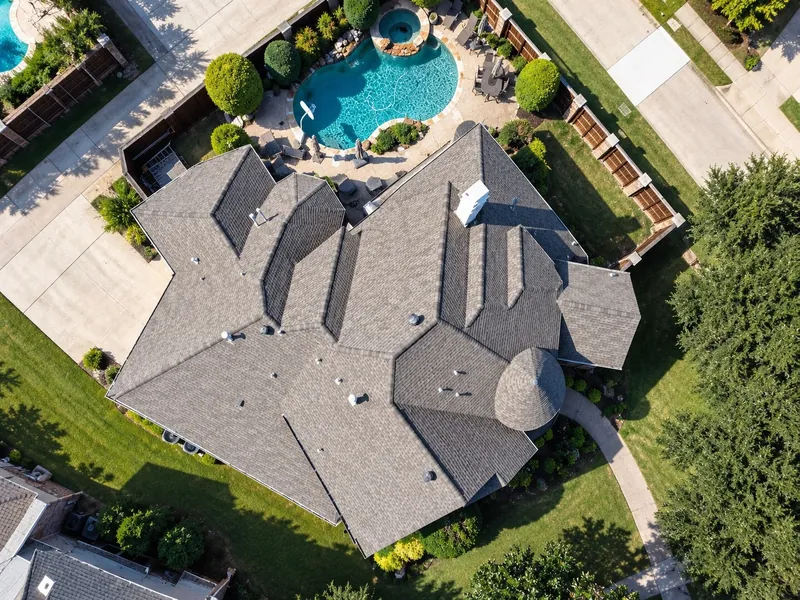 After
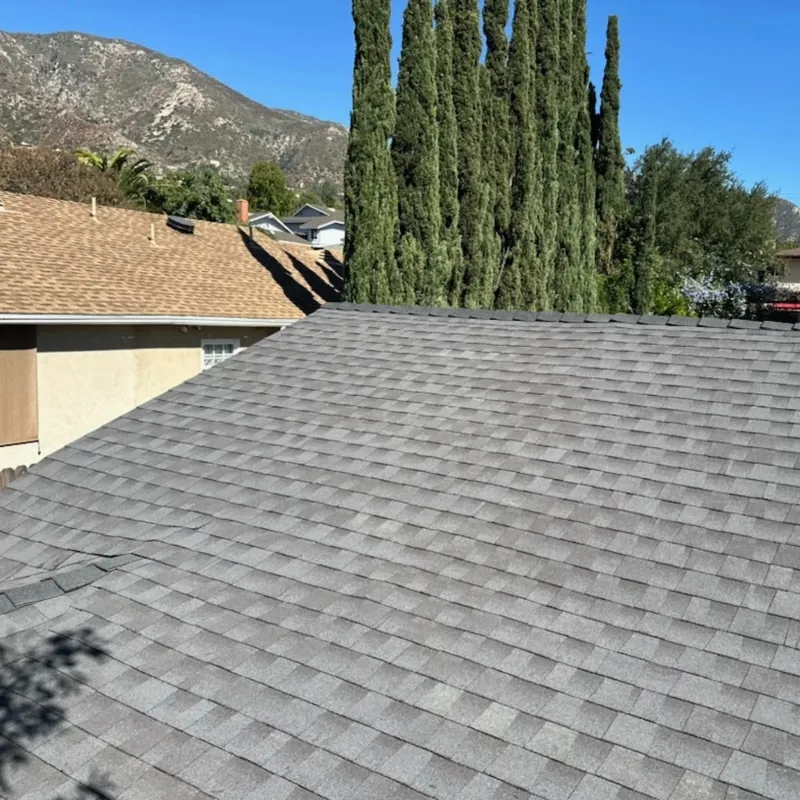 After
Roofing Contractor in Santa Monica: Services by Home Type
Age, landmark status and the coast decide most of what a roof here needs. The five services below follow from them.
Historic District Replacements and Landmark Roofs
The Landmarks Commission regulates alterations to designated landmarks, and the city's historic districts include the Third Street Neighborhood, the Bay Street Craftsman Cluster and the 11th Street Bungalow district. A full roof replacement on one of these homes may need a Certificate of Appropriateness or staff approval, so we prepare material details and photos for review before tear-off is scheduled.
Craftsman Bungalow Repairs in Ocean Park and Northeast Neighbors
Craftsman bungalows from about 1911 to 1923 are among the city's designated landmarks, and many more stand without designation. Their low gables, wide eaves and exposed rafter tails call for careful roof repair: we replace damaged flashing and worn sections while protecting the original wood trim that gives these houses their character.
Spanish Revival Tile on Landmark Homes
Spanish Colonial Revival homes appear on the city's landmark list alongside the bungalows. Cracked or slipped clay tiles let rain reach the underlayment during the October to March season, and a mismatched replacement stands out on a protected facade. Our tile roof repair reuses sound tiles where possible, so the roof keeps the color and profile a landmark review expects.
Class A Coverings in the Northern Fire Zones
The city designates Moderate, High and Very High Fire Hazard Severity Zones under Municipal Code Chapter 8.46, and LAist reported that the 2025 state maps push the Very High zone across San Vicente Boulevard farther into town. City guidance cites the WUI Code and recommends ember-resistant vents with 1/8 in mesh. Our fire-resistant roofing pairs a Class A covering with those vent details.
Rainy-Season Leaks From October to March
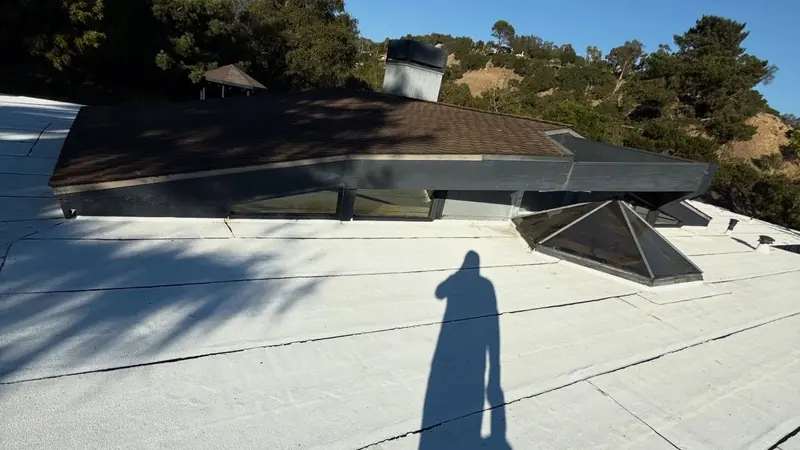
When the first storms arrive, aging flashing around chimneys, skylights and valleys is usually where water gets in. Our roof leak repair traces water from the stain inside back to its entry point and photographs the fix. Booking a check in early fall, before the first storm, leaves time to repair before any water reaches the attic.
Permits, Landmarks and the Coastal Zone in Santa Monica
The city's Building and Safety Division issues permits through the Permit Services Center on Main Street, and applications go in online through the Electronic Plan Review System before any visit. Landmark and Structure of Merit status must be disclosed at sale.
The coastal zone covers much of downtown, including the Third Street Promenade. The Coastal Commission issues Coastal Development Permits there under the city's certified 1992 Land Use Plan, because the city has no adopted Implementation Plan; a June 2026 agreement aims to certify a full Local Coastal Program by the end of 2027.
Fire rules sit on top of that. The Wildland-Urban Interface Code (Title 24, Part 7) replaced CBC Chapter 7A statewide on January 1, 2026, and the city's Very High zones require at least 100 ft of defensible space and annual inspections.