For a roofing contractor in Glendora, the fire map comes before the material list. The State Fire Marshal's March 2025 recommendations put 5,149 acres of the city's local responsibility area in the Very High zone, roughly two fifths of Glendora, and the City Council adopted that map in July 2025.
Best Top Roofing drives out from Camarillo to inspect, repair and replace roofs on Glendora homes. You get a free inspection, photos of each problem and a written proposal that states the fire rating of every material.
Citrus Groves, Postwar Ranch Streets and Foothill Weather
Glendora's citrus industry peaked in 1947 with more than 5,000 acres of orange and lemon orchards, and the city then grew from 3,988 residents in 1950 to 20,752 in 1960. About 65 percent of today's homes were built before 1970, including 34.5 percent from the 1950s and 21.9 percent from the 1960s. Housing ranges from Queen Anne and Folk Victorian homes to early bungalows, ranch-style houses and large modern estates with valley views.
Set between the San Gabriel Mountains and the South Hills, the city has a wet winter by Southern California standards. NOAA's Glendora station averages 21.31 inches of rain a year, with 5.48 inches in February, 4.99 in January and 3.27 in December. Warm fall Santa Ana winds, coming after hot summers, raise the wildfire risk in the surrounding mountains.
Glendora Village, Easley Canyon, Rainbow Avenue and the Foothill Edge
Glendora Village, the downtown along Glendora Avenue, sits near the city's one designated historic district, a residential neighborhood the city's page does not name. Centennial Heritage Park recreates a citrus ranch from the city's early decades.
Along the foothill edge, Sierra Madre Avenue, North Rainbow Avenue and Easley Canyon Road were among the streets hit by mud after the Colby Fire. Parcels averaging a 10 percent slope or more fall under the city's hillside development section, which sets tighter lot coverage and grading limits than on flatter lots.
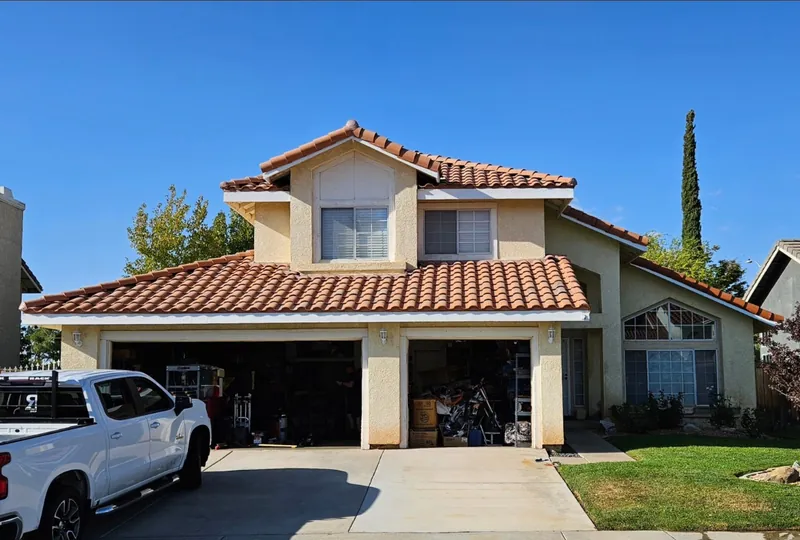
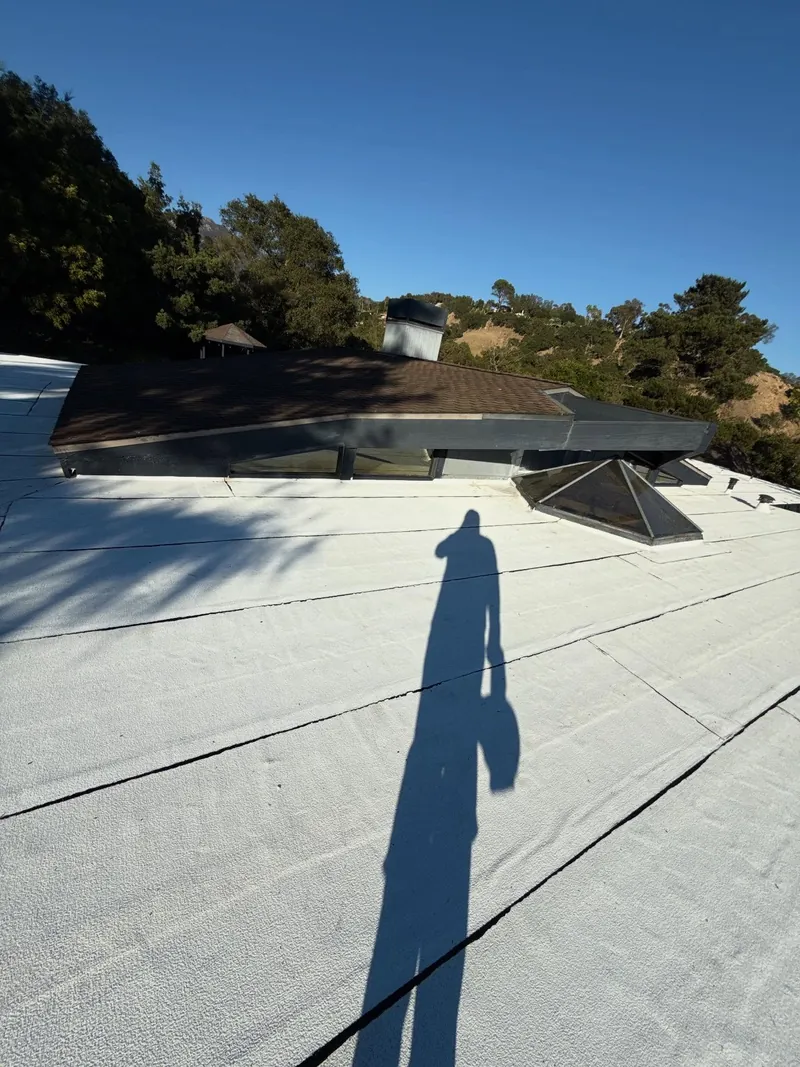
The Colby Fire and the Debris Flows That Followed
The Colby Fire started at 5:50 in the morning on January 16, 2014, near Morris Reservoir just north of Glendora, from an illegal campfire along the Colby Truck Trail. Strong Santa Ana winds drove it across 1,952 acres before full containment on January 27. It destroyed five homes and, at its peak, forced about 3,600 people to evacuate.
The burn scar kept causing trouble that winter. On November 21, 2014, a debris flow reached the 1100 block of Easley Canyon Road and damaged a house, and in the December 12 storm, mud closed parts of Sierra Madre, Glendora and North Rainbow avenues and prompted a short-lived mandatory evacuation. Fire and mud reached the same streets within one year, so we weigh fire rating and drainage together here.
Services From a Roofing Contractor in Glendora
Fire rules, hillside review, a historic district and wet winters set our priorities here. The work below follows from them.
Class A Coverings for Very High Zone Parcels
Very High acreage in Glendora grew from 4,045 on the 2011 map to 5,149 on the 2025 recommendations, so parcels outside the old zone deserve a fresh check. In a mapped zone, roofing used for a repair must carry at least a Class A rating under the state wildfire code. Our fire-resistant roofing work pairs that covering with ember-resistant vents and closed eave details.
Fire-Retardant Materials on Hillside Lots
On parcels averaging a 10 percent slope or more, Glendora's hillside development section requires fire-retardant building materials, earth-tone or natural colors approved by staff, and no reflective finish visible from more than 100 feet. Because those standards are written for hillside development, we ask Planning before a roof replacement whether they apply to your project and which colors staff will accept.
Historic District Repairs Near Glendora Village
Glendora has one historic district and nearly three dozen local landmarks, and alterations inside the district need a Certificate of Appropriateness from the Planning Commission. A roof repair that matches the existing material is often the simplest path, but we confirm with the city what counts as an alteration before any work starts.
Winter Leak Fixes for the Wettest Months
Close to 14 of Glendora's 21.31 average inches fall in December, January and February, so a small flashing gap gets tested hard and often. Our roof leak repair traces water to where it enters, whether at a chimney, skylight, valley or wall flashing, and fixes it there, with photos of the area before and after.
Gutters Installed With a New Roof
When we replace or substantially repair a roof, new gutters and downspouts can go on at the same time, tied into the drip edge so winter runoff clears the eaves. In fire zones, gutter guards also help keep dry leaves, an easy target for embers, out of the troughs. We install gutters only as part of that roofing work, never as a separate job.
Glendora Permits, Fire Code and Local Review
Building permits come from the Building and Safety Division of the Community Development Department on Foothill Boulevard, and applications go through the city's Civic Access portal. The division reviews plans, inspects work and enforces the adopted codes, and we handle the filing for your job.
Inside mapped Fire Hazard Severity Zones, the California Wildland-Urban Interface Code (Title 24, Part 7) has governed since it replaced CBC Chapter 7A on January 1, 2026. Its roof section calls for Class A coverings on repairs and applies new-construction rules once 50 percent or more of a roof is replaced within 12 months. We found no separate local Class A amendment, so we confirm parcel status and current requirements with the city before quoting.